Blog
What we have learned
about summarizing video
that people actually watch
Practical writing on turning YouTube into something you can read — the mechanics, the limits nobody advertises, and the checks that stop a paraphrase becoming a fact.
139 articles — page 1 of 16
- Saving Shorts How to save a YouTube Short Four ways to save a YouTube Short that work and are allowed: Studio downloads, Google Takeout, Premium's offline Shorts, and Remix — and what each gives you.
-
 How AI reads video
Can AI Watch YouTube Videos?
Can ChatGPT watch YouTube videos? Most AI tools read captions, a few sample frames, and some only see the link. What each one actually gets from a video.
-
 Cornell notes
Cornell Notes from YouTube Videos
A Cornell notes YouTube video method: cue column, notes and summary adapted for pausing and timestamps, with a generated summary as a first draft.
-
 Debates
Debate Video Summarizer
Summarize political debate video into each side's claims. Captions carry no speaker labels and the tool does not fact-check, so verify before sharing.
-
 Live captions
Do YouTube Live Streams Have Captions?
Do YouTube live streams have captions? Sometimes: live auto captions are English only and need normal latency, and the replay gets a new caption track.
-
 YouTube Ask
Does YouTube Have a Built-In AI Summary?
Does YouTube have an AI summary? It has an Ask feature on select videos for signed-in users 13+. What Google says it does, and when it is enough.
-
 Eightify
 Alternative for YouTube Summaries
Need an Eightify alternative? Eightify is an extension and app with a 7-day trial. If you want no install, no account and no trial clock, here is the trade.
-
 Caption timing
How Long Do YouTube Auto Captions Take?
How long do YouTube auto captions take? Google gives no fixed time. What it says affects processing, what to do meanwhile, and why summaries fail early.
-
 Mobile transcript
How to See the Transcript in the YouTube Mobile App
YouTube transcript mobile app steps: what Google documents for iPhone and Android, the CC check that saves time, and what to do when the option won't appear.
-
 Claude
How to Summarize a YouTube Video with Claude
The reliable way to summarize YouTube video with Claude is to paste the transcript. Links are a gamble, so here is a quick test to see what Claude read.
-
 Gemini
How to Summarize a YouTube Video with Gemini
Gemini can find a YouTube video and summarize it for you, if you are signed in with Activity on. The steps, the prompts, and what Google says it can't do.
-
 Investing
 Video Summarizer
Summarize stock market YouTube videos into a list of claims to check against filings. Not investment advice, and the charts on screen are not read.
-
 Language learning
Learn a Language with YouTube Summaries
Learn a language with YouTube AI summaries as a comprehension check. Free summarizes any caption language in that language. What it proves and what it does not.
-
 Mindgrasp
 Alternative for YouTube Summaries
A Mindgrasp alternative for plain YouTube summaries. Mindgrasp has flashcards, quizzes and an AI tutor we lack; here is where each one fits.
-
 Recall
 Alternative for YouTube Summaries
A Recall AI summarizer alternative for one-off videos. Recall has a library, chat and quizzes we lack; our case is quick summaries with no account.
-
 Snipd
Snipd vs YouTube Summarizer for YouTube Videos
Snipd YouTube import turns a video into audio with a transcript and chapters. When that suits podcast listeners better than a summary, and when it doesn't.
-
 SRT vs VTT
: YouTube Caption Files Explained
SRT vs VTT YouTube guide, plus SBV: how each timing line is written, what YouTube supports in each, and which parts of a caption file a summarizer uses.
-
 Brave Leo
Summarize a YouTube Video with Brave Leo
How to have Brave Leo summarize YouTube videos in the browser, what Brave documents, and an open bug where follow-ups use the previous video.
-
 Copilot
Summarize a YouTube Video with Copilot in Edge
Copilot Edge summarize YouTube video steps, from Microsoft's own guide: open the video, open Copilot, choose Create a Summary. Plus what to check after.
-
 Opera AI
Summarize a YouTube Video with Opera AI (Aria)
The Opera Aria summarize YouTube method, updated: Opera AI replaced Aria and can summarize a video in the browser. What Opera documents, and how to check it.
-
 Perplexity
Summarize a YouTube Video with Perplexity
Perplexity says its Comet browser can watch, transcribe and summarize YouTube videos. How to get a Perplexity YouTube summary, and how to check it.
-
 2x or summary
Watch YouTube at 2x or Read a Summary?
Watch YouTube at 2x speed vs summary: what research on lecture playback speed found, what it did not test, and when each one is the right choice.
-
 Auto chapters
YouTube Automatic Chapters, Explained
YouTube automatic chapters explained: which videos get them, how creators opt out, how they differ from creator chapters and key moments in Google Search.
-
 Captions vs subtitles
YouTube Captions vs Subtitles vs Transcript
YouTube captions vs subtitles vs transcript, defined plainly: closed, open and auto captions, subtitles, the transcript panel, and what a summarizer reads.
-
 Product reviews
YouTube Product Review Summarizer
Summarize YouTube product reviews to get each reviewer's verdict, pros and cons in text — and know what the captions miss before you trust it.
-
 Missing transcript
YouTube Show Transcript Missing? Why and What to Do
YouTube show transcript missing? The video usually has no captions yet, or the creator removed them. How to check with the CC button, and what it means.
-
 Readwise Reader
YouTube Summarizer vs Readwise Reader
Readwise Reader YouTube support lets you read and highlight a video's transcript as it plays. When that beats a one-off summary, and when it doesn't.
-
 Evernote
YouTube Summary to Evernote
Paste YouTube video notes Evernote will format: which shortcut turns Markdown into headings and lists, and how it fits Evernote's own guide.
-
 Logseq
YouTube to Logseq: Video Notes as Blocks
Keep YouTube notes Logseq-style: paste a Markdown summary and each bullet becomes a block. No integration — copy, paste, then add page properties.
-
 Newsletters
YouTube Video to Newsletter
Turn a YouTube video to newsletter digest items one video at a time, then assemble the issue yourself, with credit and a link back to every creator.
-
 Recipes
YouTube Video to Recipe
Turning a YouTube video to recipe notes works for method and order. Quantities and oven temperatures are often only on screen, so check the description.
-
 Q&A
Ask Questions About YouTube Video Content
There is no chat here — you get a summary and timestamps instead. What that trade means in practice, and when a conversational tool is genuinely better.
-
 Q&A
Chat With YouTube Video or Summarize It?
Two interaction models over the same transcript. Which one fits which job, what each hides from you, and why the choice matters more than the tool.
-
 How it works
How Long to Summarize a YouTube Video?
Seconds, and video length barely matters. Why that is, what actually determines the wait, and why a fast result is not a good sign.
-
 Keynotes
Keynote Summarizer
Keynotes are scripted, which makes them summarize unusually well. What survives, why the demo section does not, and how to separate substance from staging.
-
 File uploads
MP4 Video Summarizer and Uploaded Files
There is no upload here, and this explains the trade rather than hiding it. What link-first buys you, what it costs, and how to summarize a file you have.
-
 Panels
Panel Discussion Summarizer
Panels are the hardest format to summarize, because the meaning lives in who disagreed with whom. What you get reliably, and what needs checking every time.
-
 Demos
Product Demo Summarizer
A demo is the worst case for summarizing, because the product is on screen and never described. What you can still get out of one, and when to just watch.
-
 Public meetings
Public Meeting Summarizer
Council and committee streams run for hours and almost nobody watches them. What summarizing them makes possible, and what has to be checked before acting.
-
 Sermons
Sermon Summarizer
Sermons are spoken argument with almost no visual layer, which makes them one of the better formats. What survives, and what it cannot substitute for.
-
 Sport
Sports Video Summarizer
Match footage is the one thing summarizing cannot touch. But the talk around sport is enormous, and that compresses like anything else.
-
 Meeting prep
Summarize YouTube Video for Meeting Prep
Being the only person who watched the thing is a weak position. How twenty minutes of reading before a meeting changes what you can contribute.
-
 Other platforms
TikTok Video Summarizer
Not supported here, and for short videos the honest answer is that summarizing them rarely helps anyway. What the format changes, and what works instead.
-
 Other platforms
Twitch VOD Summarizer
Not supported here, but Twitch VODs are the format that would benefit most. Why they are hard, and the one route that reliably works.
-
 Other platforms
Vimeo Video Summarizer
This does not summarize Vimeo, and this page explains why rather than wasting your time. What the obstacle actually is, and the routes that do work.
-
 Flashcards
YouTube Flashcard Generator
No flashcards here, and the evidence says writing your own is most of the benefit. How to turn a summary into a deck in twenty minutes, and why that pays.
-
 Mind maps
YouTube Mind Map Generator
No mind maps here, and the reason is that drawing one yourself is most of what makes it work. How to get one from a summary in about five minutes.
-
 For analysts
YouTube Summarizer for Analysts
Company video is a public source most coverage ignores. How to read it at volume without letting a misheard number reach a model.
-
 For journalists
YouTube Summarizer for Journalists
Video is a source like any other, and a summary is not a quote. How to use one for triage without letting a paraphrase reach print.
-
 Flashcards
YouTube Summary to Anki
No Anki export here, but getting a summary into Anki takes about two minutes by hand. The format, the timestamp trick, and what not to import.
-
 Meetings
Zoom Recording Summarizer
Not supported here, and for meeting recordings that is probably the right answer anyway. What to consider before any third-party tool sees a call.
-
 How it works
AI Video Summarizer From Link to Summary
Paste a URL, get a summary. What the link actually has to be, why some links fail, and what happens between pasting and reading.
-
 AI tools
Best AI YouTube Summarizer
What the AI in an AI YouTube summarizer actually does, why the model matters less than the pipeline around it, and how to judge output you cannot verify.
-
 Free tools
Best Free YouTube Summarizer
Which YouTube summarizers are genuinely free, what each free tier actually publishes, and the limits that only surface once you are depending on the tool.
-
 Extensions
Best YouTube Summarizer Chrome Extension
We do not make a Chrome extension. Here is when an extension is the right choice, what to check before installing one, and when a web tool is better.
-
 Long videos
Best YouTube Summarizer for Long Videos
How the main YouTube summarizers handle two and three-hour videos, what each publishes about its limits, and the one test that exposes silent truncation.
-
 For podcasts
Best YouTube Summarizer for Podcasts
What matters when summarizing three-hour podcast episodes, how the main tools compare on published terms, and the failure that hits long-form hardest.
-
 For students
Best YouTube Summarizer for Students
What actually matters when picking a YouTube summarizer for lectures, how the main tools differ on published limits, and where each one falls short.
-
 Timestamps
Best YouTube Summarizer With Timestamps
Which YouTube summarizers provide clickable timestamps, how to tell real ones from reconstructed ones, and why it matters more than any other feature.
-
 No sign-up
Best YouTube Summarizer Without Sign-Up
Which YouTube summarizers work with no account, why most ask for one, and what you give up by staying anonymous. Published facts, checked and dated.
-
 Choosing a tool
Best YouTube Summarizer: How to Choose
How to judge a YouTube summarizer instead of trusting a ranked list. Seven tests you can run in ten minutes, and the failures they expose.
-
 Competitors
Competitor Video Research With Summaries
How to analyse a competitor's video output without watching forty hours of it — what patterns summaries reveal, and what they cannot tell you.
-
 Conferences
Conference Video Summarizer
Conference talks pile up unwatched. How to summarize keynotes, sessions and panels into something you will actually read, and what to verify before quoting.
-
 Long videos
Documentary Summarizer
Documentaries are long, which suggests summarizing, and visual, which argues against it. How to tell which documentaries compress usefully and which do not.
-
 For teams
Earnings Call Summarizer
Earnings calls have a rigid structure and a scripted half. What a summary captures, what it cannot, and why the filing stays the authoritative source.
-
 Lectures
Educational Video Summarizer
Educational video runs from a ten-minute explainer to a ninety-minute seminar. What summarizing does for each, and where it gets in the way.
-
 Export
 a YouTube Summary to Markdown
Why export matters more than it sounds, what survives the move into Notion or Obsidian, and the one thing that quietly breaks if you copy by hand.
-
 Key points
Extract Key Points From a YouTube Video
Extract the key points from any YouTube video, each anchored to a timestamp. How to tell a real takeaway from a topic label, and how to check one.
-
 Free
Free Alternative to Paid YouTube Summarizer Tools
What free tiers in this category actually cost you, which limits are real, and the honest case for when paying is the right call.
-
 Free tier
Free YouTube Summarizer — No Sign-Up
A free YouTube summarizer with no signup or login. What free actually covers, the limits tools hide, and how to test one in two minutes.
-
 Comparisons
Glasp Alternatives for YouTube Summaries
Glasp is a highlighter that connects to an AI you choose. That is a different product shape, and which one you want depends on whether you highlight.
-
 Captions
How Accurate Are YouTube Auto-Captions?
What YouTube's automatic captions get wrong, why the errors are hard to spot, and what that means for anything built on top of them.
-
 Transcripts
How to Copy a YouTube Transcript
How to copy a YouTube transcript in a few clicks, what you lose when you do, and when the raw text is genuinely the right thing to want.
-
 Destinations
How to Get a YouTube Summary to Google Docs
Google Docs is where most shared writing already lives. How to move a video summary into one without losing the timestamps, and when a Doc is the wrong home.
-
 Destinations
How to Save a YouTube Summary to PDF
There is no PDF button here, and this explains why plus the three routes that work. What PDF is good for and what it costs you in return.
-
 One hour
How to Summarize a 1-Hour YouTube Video
Summarize a 1-hour YouTube video without losing the middle. Why the hour mark is where tools start failing quietly, and how to check yours did not.
-
 No captions
How to Summarize a Video With No Transcript
What to do when a YouTube video has no captions, why tools that summarize it anyway are guessing, and the workarounds that actually exist.
-
 Playlists
How to Summarize a YouTube Playlist
Working through a playlist with a summarizer — triaging which videos to watch, building a searchable record, and what a daily limit means in practice.
-
 Transcripts
How to Summarize a YouTube Transcript
How to summarize a YouTube transcript properly, whether by hand or automatically, and why pasting one into a chatbot loses the thing that made it useful.
-
 Getting started
How to Summarize a YouTube Video
How to summarize a YouTube video in three steps, plus the manual methods, what each one costs you, and the cases where none of them work.
-
 Studying
How to Summarize a YouTube Video for Studying
The order matters more than the tool. How to summarize a video for studying without replacing the work that makes the material stick.
-
 On mobile
How to Summarize a YouTube Video on Mobile
Summarizing videos on a phone — sharing a link from the YouTube app, why transcripts are awkward on mobile, and what works without installing anything.
-
 Tutorials
How to Summarize Coding Tutorial Video Content
Programming tutorials are the hardest videos to summarize, because the code is on screen and never spoken. What you get, what you lose, and the fix.
-
 Comparisons
How to Test YouTube Summarizer Accuracy Yourself
No benchmark exists for summary quality, and fluency tells you nothing. A repeatable test you can run in thirty minutes on any tool, including this one.
-
 Tutorials
How To Video Summarizer: Steps You Can Follow
Turning a how-to video into a checklist you can work from at the bench, on a ladder, or anywhere pausing a video every twenty seconds is impractical.
-
 Interviews
Interview Video Summarizer
Interviews summarize worse than most formats, because the interesting part is who said what. What survives, and what to check before quoting anyone.
-
 Privacy
Is It Safe to Use a YouTube Summarizer?
What a YouTube summarizer can see, what browser extensions ask for, and the questions worth asking before putting work material through any of them.
-
 Lectures
Lecture Video Summarizer
Turn recorded lectures into a chapter map and notes with timestamps, so revision means rewatching four minutes instead of ninety.
-
 Long videos
Long YouTube Video Summarizer
Summarize long YouTube videos without losing the middle. Why long videos fail silently in most tools, and how to check yours actually read to the end.
-
 Languages
Multilingual YouTube Summarizer
Summarize a YouTube video in any language its captions come in, free. What caption quality costs you, and why translated summaries are a Pro waitlist item.
-
 News
News Video Summarizer
News video is where summarizing is most useful and most risky. How to use it for volume without letting a paraphrase become the thing you believe happened.
-
 Comparisons
NotebookLM Alternative for YouTube Videos
NotebookLM reads YouTube the same way we do, from the caption track. Where it is the better tool, where it is not, and what its own docs say it cannot take.
-
 Comparisons
NoteGPT Alternatives for Video Summaries
NoteGPT does flashcards, mind maps and file uploads that we do not. Where that matters, where it does not, and what its free plan actually covers.
-
 Show notes
Podcast Show Notes Generator
Turn an episode into show notes with timestamped chapters — what listeners actually use them for, and the parts that still need writing by hand.
-
 Troubleshooting
Private YouTube Video Summary: What Actually Works
Private, unlisted, age-restricted and members-only videos behave very differently. Which ones can be summarized, which cannot, and why the difference exists.
-
 Repurposing
Repurpose a YouTube Video Into a Blog Post
Turning a video into a written piece properly — why transcripts make terrible articles, and what to do with the chapter map instead.
-
 How it works
Summarize YouTube Video Without Watching: Does It Work?
Sometimes, and the answer depends entirely on why you were going to watch. An honest account of when reading instead is a real substitute and when it is not.
-
 vs ChatGPT
Summarizing YouTube Videos With ChatGPT: The Limits
How to summarize a YouTube video with ChatGPT, what goes wrong with long transcripts, and the thing you lose that nobody mentions.
-
 Talks
TED Talk Summarizer
TED talks are the most tightly edited format on YouTube, which makes them the worst candidates for summarizing. When it helps anyway, and when to just watch.
-
 Timestamps
Timestamped YouTube Summary
Get a timestamped YouTube summary where every claim links to the second it came from, and learn how to tell real timestamps from reconstructed ones.
-
 Languages
Translate and Summarize YouTube Video Content
Reading a foreign-language video in your own language means two lossy steps, not one. Where the errors come from, which languages hold up, and what to verify.
-
 Webinars
Webinar Summarizer
Turn a recorded webinar into the ten minutes that mattered — skipping the introductions and the pitch, and sharing the substance with people who missed it.
-
 Troubleshooting
Why Is My YouTube Summary Inaccurate?
Most summary errors are caption errors one layer down. How to tell which layer failed, what is fixable, and which problems no tool can solve.
-
 Timestamps
YouTube Chapter Summary Generator
Chapters and timestamps are not the same thing. What a chapter summary gives you that a timestamped one does not, and what to do when a video has no chapters.
-
 For research
YouTube Key Findings Generator
Pulling findings out of research talks differs from pulling key points out of a video. What changes when the claims are citable and someone will check them.
-
 Key points
YouTube Key Points Generator
Pull the key points out of any YouTube video, each anchored to the second it came from. What makes a takeaway useful and what makes it filler.
-
 For students
YouTube Lecture Notes Generator
Generated notes are a starting document, not a finished one. What a lecture notes generator captures, and how to use it without hurting recall.
-
 Livestreams
YouTube Livestream Summarizer
Summarize a YouTube livestream replay without watching four hours of it. What streams do to captions, and how to check the whole replay was read.
-
 Notes
YouTube Notes Generator
Turn a YouTube video into structured notes with timestamps you can click. Where generated notes help, and where they quietly replace the learning.
-
 Podcasts
YouTube Podcast Summarizer
Summarize long podcast episodes and interviews on YouTube, with timestamps on every claim so you can jump to the ten minutes worth hearing.
-
 Shorts
YouTube Shorts Summarizer
Summarize YouTube Shorts and short clips. Shorts URLs work the same as any video here, though the honest answer is that most Shorts do not need summarizing.
-
 Alternatives
YouTube Summarizer Alternatives
A map of the YouTube summarizer landscape by category — extensions, research tools, study platforms and web apps — and which kind suits which job.
-
 Comparisons
YouTube Summarizer Comparison: Published Limits Side by Side
Most comparison tables are stale within a month. What to actually compare between summarizer tools, how to check it yourself, and our own limits.
-
 College
YouTube Summarizer for College Students
How to use a YouTube summarizer for university work — recorded lectures, seminar prep, reading around a topic — and where it stops being useful.
-
 For creators
YouTube Summarizer for Content Creators
How creators use summaries for research, competitive analysis and repurposing their own back catalogue — and the one use that will get you in trouble.
-
 High school
YouTube Summarizer for High School Students
How a YouTube summarizer helps with homework and exam revision, where it becomes cheating, and why the summary is the wrong thing to revise from.
-
 Online courses
YouTube Summarizer for Online Courses
How to use a summarizer on MOOCs and course playlists — triaging modules, skipping what you know, and keeping a searchable record of a whole course.
-
 Research
YouTube Summarizer for Research
Using a summarizer for conference talks and research video — triaging a playlist, citing the exact moment of a claim, and where it must not be trusted.
-
 SEO research
YouTube Summarizer for SEO Content Research
Using video summaries for content research — finding what ranking pages miss, harvesting real questions, and why video is an underused research source.
-
 Languages
YouTube Summarizer for Spanish Videos
Spanish is among the strongest languages for automatic captioning, which makes it one of the better cases. What still goes wrong, and which varieties suffer.
-
 For teachers
YouTube Summarizer for Teachers
Students can already summarize anything you assign. What that changes about setting video work, plus the preparation uses that save real hours.
-
 For teams
YouTube Summarizer for Teams
One person watches, everyone reads. How teams use video summaries for recorded meetings, training and industry talks — and what to agree before you start.
-
 Comparisons
YouTube Summarizer vs NotebookLM
A head-to-head on how each one actually works. Both read the caption track, so the real differences are account, container, and what you can do afterwards.
-
 vs transcripts
YouTube Summarizer vs Transcript Tools
Transcript tools and summarizers answer different questions. Which to reach for, what each category does well, and why many tools blur the line.
-
 Timestamps
YouTube Summarizer With Timestamps
A YouTube summarizer with timestamps on every claim, so you can jump straight back to the moment. How they work and how to spot fake ones.
-
 Troubleshooting
YouTube Summary Not Working: What to Check
Why a YouTube summary failed and what to do about it — missing captions, recent uploads, private videos, long runtimes and silent truncation.
-
 Destinations
YouTube to Notion: Video Notes That Stay Searchable
Getting a video summary into Notion so it survives. What pastes cleanly, what breaks, and how to structure a database you will still use in a year.
-
 Destinations
YouTube to Obsidian: Building a Video Vault
Obsidian stores plain Markdown files you own outright. What that changes about keeping video notes, and how to link them so the vault gets better with size.
-
 Transcripts
YouTube Transcript Summarizer
Turn a YouTube transcript into a summary you can check. What the caption track gives you, where auto-captions fail, and what has to happen next.
-
 Tutorials
YouTube Tutorial Summarizer
Turn a YouTube tutorial into numbered steps with timestamps, so you can follow along without scrubbing back every thirty seconds.
-
 For creators
YouTube Video Idea Extractor
How to pull angles, gaps and unanswered questions out of other people's videos at volume, without ending up with a derivative version of their work.
-
 Workflow
YouTube Video Notes Workflow: From Watch to Reuse
Most video notes are written once and never opened. A workflow that survives a year, and the three points where people abandon the habit.
-
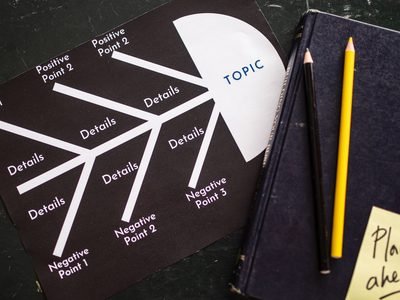 Timestamps
YouTube Video Outline Generator
An outline is a hierarchy, not a list. What a generated outline gives you that a summary does not, and which videos actually have a structure to recover.
-
 Content research
YouTube Video to Content Brief
A brief built from video research beats one built from the top ten results. How to turn summaries into instructions a writer can actually work from.
-
 Video to notes
YouTube Video to Notes
Turn a YouTube video into structured notes with clickable timestamps, exportable to Markdown. Where generated notes help, and where they do not.
-
 Repurposing
YouTube Video to Social Post Ideas
One video holds a week of posts if you cut it correctly. How to find the claims that stand up on their own instead of posting five announcements.
-
 Study method
How to actually study from YouTube
Watching a lecture twice is not studying. A method for turning video into recall practice that holds up at exam time.
-
 Checking the output
Why every summary should carry timestamps
A summary you cannot check is a rumour. Timestamps turn checking an AI video summary from a full rewatch into one click on the exact moment.
-
 Transcript vs summary
A transcript is not a summary
Most tools hand you the same words in a different box. What has to happen between transcript and useful notes.
What we write about
Three things run through most of it. The first is what a summary can and cannot contain. Everything here is built from YouTube's caption track, which means anything drawn on a board, shown on a slide or demonstrated on screen leaves no trace — and a great many pages exist to say so plainly rather than let you find out after relying on one.
The second is verification. A summary is a paraphrase, so every claim carries the timestamp it came from and the argument for why that matters is the reason the product is shaped the way it is. A summary you cannot check is a rumour with good formatting.
The third is learning from video without fooling yourself. Reading fluent text produces confidence that tracks how easily it read rather than what you could now do, which is the whole problem with studying this way and the reason several pages argue against using a summary at all.
Where a rival tool is the better answer, the comparison pages say so. Nothing here is a press release. If you want the product, the summarizer is on the homepage and takes about twenty seconds.
Enough reading about it.
Try it on the last video you saved and never got round to.
Summarize a video — free