Guides
How to Export YouTube Summary Markdown Files
Export sounds like a checkbox feature and is closer to the whole point. A summary that cannot leave the page is a summary you will retype, or more likely lose.
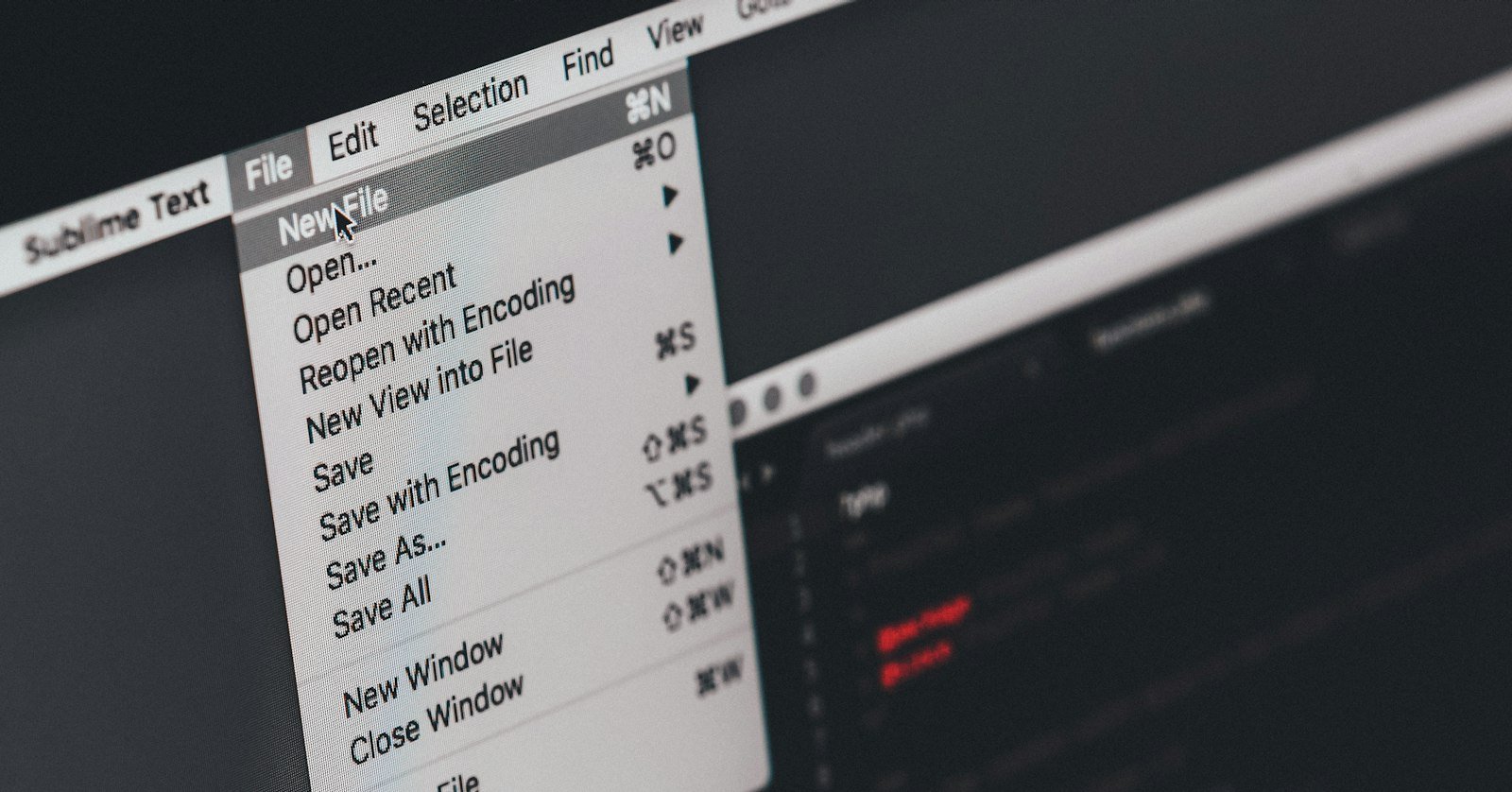
Every summary you generate is either exported or lost — which makes this a more consequential feature than the feature list makes it look. Without an account there is no history to return to, so the tab closing is the end of it.
That sounds like a limitation and is mostly a forcing function: the summaries worth keeping are the ones you deliberately kept.
Why Markdown specifically
The format choice is not arbitrary, and the reasoning applies to anything you intend to keep for longer than a week.
Because it is the format that survives. Notion, Obsidian, Bear, Apple Notes, Google Docs and every developer tool accept it directly, and it degrades to readable plain text everywhere else.
Headings stay headings. Lists stay lists. And critically, links stay links — which is where the whole value sits.
It is also durable in a way a vendor's own storage is not. A tool that keeps your summaries can change, price up or shut down; a Markdown file in your own notes cannot.
| Element | Survives? | Why it matters |
|---|---|---|
| Section headings | Yes | Keeps the chapter structure navigable |
| Timestamp links | Yes | The notes stay checkable |
| Claim lists | Yes | Pastes as bullets everywhere |
| Video title and link | Yes | You can find the source again |
| Your own annotations | You add them | The part that makes notes yours |

The thing that quietly breaks
One failure accounts for most unusable archives, and it is invisible at the moment it happens — which is why it is worth knowing about in advance.
Copying the visible text by hand instead of exporting. It looks identical and is not.
Selecting a summary on screen and pasting it into a notes app frequently converts the timestamps into plain text. The times are still there, so nothing looks wrong — they simply no longer click.
You discover it months later, when you want to verify a claim and find a number in brackets rather than a link. At that point the note is unverifiable and the video is hard to find.
Export immediately, not later
The most common way people lose a summary is closing the tab meaning to save it afterwards.
Make it part of the same action: generate, read, export. Ten seconds, and it removes the entire class of problem — particularly when working through several videos in a session, where each one is another chance to forget.
For a playlist or a research pass this matters more, since you are producing a dozen summaries and the value is the collection rather than any single one. See working through a playlist.

Why this format and not a PDF
Markdown is deliberately boring, which is the property that makes it a good archive format.
It is plain text with a simple, widely implemented specification, so it opens in anything, diffs cleanly in version control, and remains readable even in a tool that does not render it.
A PDF looks tidier and is worse in every way that matters here: hard to search across, hard to edit, hard to paste from, and effectively frozen. Notes you will add to later should be editable text.

Exporting at the right depth
Worth a moment's thought, since it is easy to export the wrong thing by habit.
For a video you triaged and rejected, export nothing — the decision was the output. For one you will return to, export the chapter map, which is the navigable version.
Full notes are worth exporting only when you genuinely intend to use them as reference. Exporting everything at maximum depth produces an archive of documents nobody reads, which is the same as having no archive.
Where the exports should live
One folder, consistently named, searchable. That is the entire filing system and it is enough.
Name by what you will search for later — usually the topic and the source, rather than the date. "Kubernetes scaling — CloudNative talk" beats "Summary 2026-09-14".
The compounding value is in searching across them. A year of exported summaries answers "where did I see that claim about cold starts?" in seconds, which is otherwise unanswerable.
Naming, which decides whether you find it
The filing convention matters more than the folder structure, because you will search rather than browse.
Name by topic and source rather than by date. In six months you will remember what the video was about and roughly who made it; you will not remember which Tuesday you watched it.
A useful pattern is topic first, then source, then year — so a search for the topic surfaces everything you have on it, across sources, in one list. That is the thing the archive is for.
Annotate before you file
Two minutes that changes what the notes are worth in six months.
Add one line in your own words under any section you actually care about. That line is the hook your memory attaches to — generated prose alone reads back as information about a topic rather than something you understood.
It also marks which parts you verified. A note that says "checked at 14:22, he qualifies this heavily" is worth ten notes that simply record what a summary said.

What export does not include
Not the video, obviously, and not the full transcript — the export is the summary at whichever depth you generated, plus the links back.
There is no bulk export of a session, since there is no session without an account. Each summary exports individually, which is another argument for doing it as you go.
The habit in one line
Generate, read, export, annotate. Four steps, about two minutes, and it converts a disposable output into something that still means something next year.
The step people drop is the last one, and it is the one that makes the difference between an archive you search and a folder you forgot about. One sentence in your own words is enough.
Frequently asked questions
Does export work into Notion and Obsidian?
Yes — both accept Markdown directly, with headings, lists and links intact. It also pastes cleanly into Docs and most other note tools.
Do the timestamps stay clickable?
Through the export, yes. Copying the visible text by hand often converts them to plain numbers, which leaves you with notes you cannot verify later.
Can I export several summaries at once?
One at a time. Without an account there is no session to bulk-export from, so export each as you generate it rather than at the end of a run.
Is export available on the free tier?
Yes, at every depth, with no account. Gating export is a common paywall elsewhere and we think it makes the free tier close to pointless.
What happens if I do not export?
The summary is gone when the tab closes, since there is no history without an account. Regenerating takes about thirty seconds, but only if you can find the video again.
Export it before you close the tab
Generate, read, export — ten seconds, and the note stays checkable for years.
Summarize a video — free