Guides
Conference Video Summarizer
Every major conference posts its full programme to YouTube within weeks. Forty sessions, forty-five minutes each. Nobody watches thirty hours of talks.
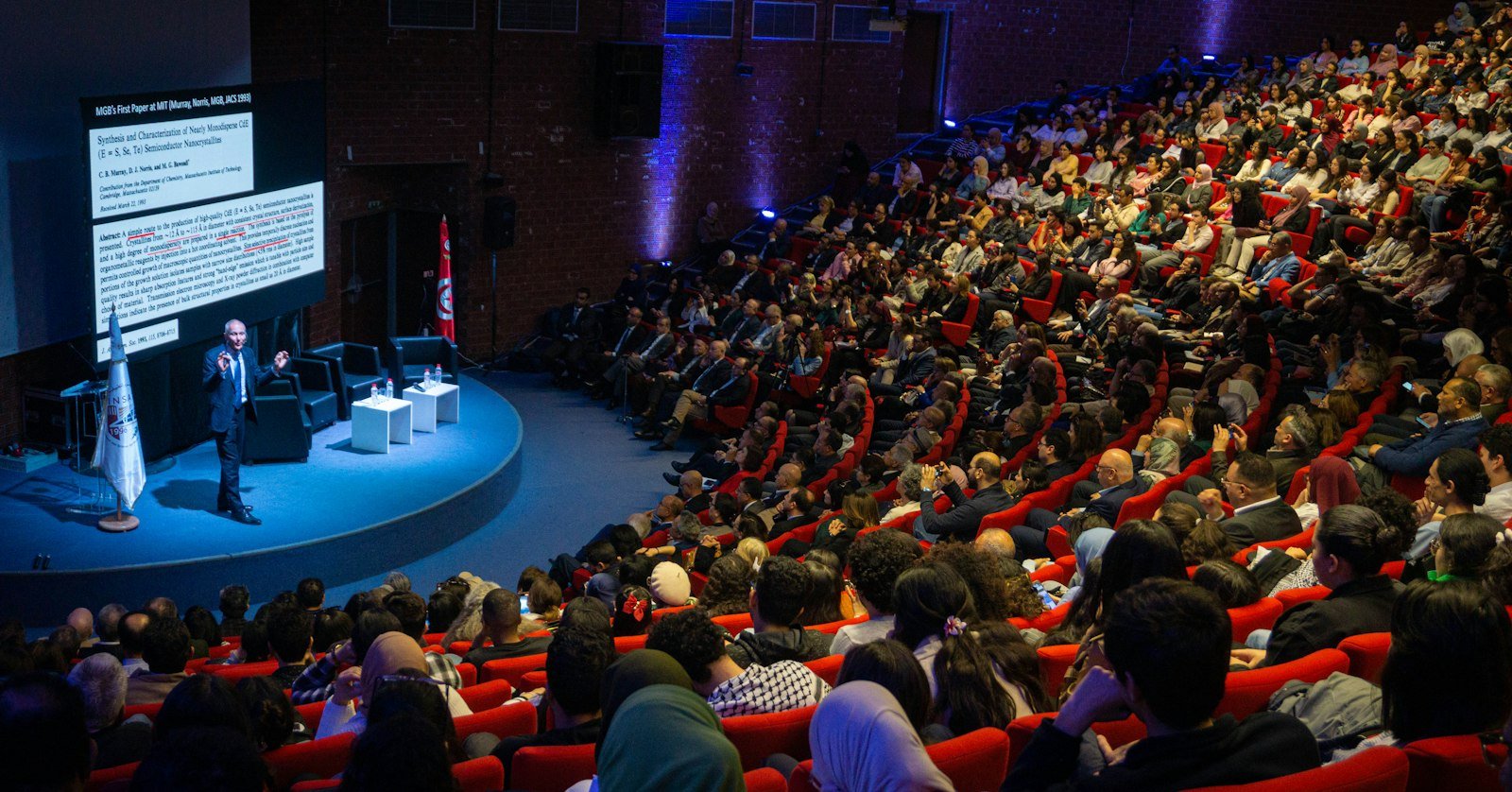
Conference video has a peculiar economics. The talks are free, permanent and comprehensive, and almost none of them get watched. The recording that took a speaker three months to prepare gets four hundred views and no citations.
The obstacle is not interest. It is that you cannot tell which of the forty sessions is worth forty-five minutes until you have spent forty-five minutes. That is the problem summarizing research video solves: it makes the triage cheap enough to actually do.
What gets posted, and what it is worth
Conference output is not uniform. Knowing which format you are dealing with tells you how much of the summary you should trust without checking.
Keynotes. One speaker, prepared script, a clear thesis. These summarize better than anything else on YouTube, because the structure the speaker imposed is the structure the summary recovers.
Technical sessions. A method, a result, and slides carrying most of the specifics. The argument survives summarizing; the numbers on the slides do not, because they were never spoken aloud.
Panels. Four voices, no script, and the interesting part is usually a disagreement. Summaries flatten these worst, and attribution becomes guesswork.
Lightning talks. Five minutes each, often stitched into one long recording. The summary tells you which of the twelve is worth rewinding to.
| Format | Summary quality | What you still have to check |
|---|---|---|
| Keynote | High | Little — the thesis carries |
| Technical session | Good | Every figure, on the slides |
| Panel | Moderate | Who said which thing |
| Lightning talks | Good as an index | Anything you plan to cite |
| Q&A after a talk | Weak | Most of it — audio is often poor |
The slide problem
This is the limitation that matters most for conference video specifically, and it is worth understanding before you rely on any summary of a technical talk.
A summary is built from the caption track, which contains what was said. Conference speakers do not read their slides aloud. They say "as you can see here, the improvement is substantial" while a chart shows 34% on screen.
So the summary will tell you the speaker claimed a substantial improvement. It cannot tell you the number, because the number was never spoken. For a talk you intend to cite, the slides are a separate source — usually posted alongside the video, often on the conference site rather than YouTube.
This is the same gap that shows up between a transcript and a summary, one layer earlier: the transcript is already missing what was only ever visual.
Panels and the attribution trap
Automatic captions carry no speaker labels. The W3C's guidance on captions treats identifying who is speaking as part of what proper captioning provides — and automatic captioning does not provide it.
On a keynote this costs nothing; there is one speaker. On a four-person panel it means every attribution in the summary is inferred from context, and context is thin when four people are interrupting each other.
The practical rule: a panel summary is reliable about what was discussed and unreliable about who said it. If you are writing up "the CTO of X stated Y", open the timestamp and listen. That takes thirty seconds and prevents the one error that genuinely damages a write-up.

Triage, not replacement
The honest framing of what this is for: summarizing a conference programme does not replace watching the talks. It tells you which four of the forty to watch properly.
Run the whole playlist through, read forty summaries in half an hour, and you have a map of the conference — what was covered, by whom, roughly what each argued. Three or four will be directly relevant to your work.
Those you watch. The rest you have a record of, which is enough to know the talk exists and to come back if the subject becomes relevant. That is thirty hours compressed to a morning without pretending you attended.
Which sessions to run first
A forty-session programme is more than the free tier allows in a day, so the order matters. Three signals sort a programme quickly, and none of them require watching anything.
Session length. The ninety-minute sessions repay summarizing far more than the fifteen-minute ones, because compression scales with how much padding there is. A short talk is already dense.
Speaker unfamiliarity. You can guess what a speaker you already follow will say. The value is in the ones you have never heard of, which is exactly where you would never have spent forty-five minutes speculatively.
Title vagueness. A talk called "Scaling Postgres to 40TB" tells you what it contains. One called "Lessons From the Trenches" does not, and those are the ones where the summary earns its keep.
The archive is the point
Individual summaries are disposable. The accumulated set is not.
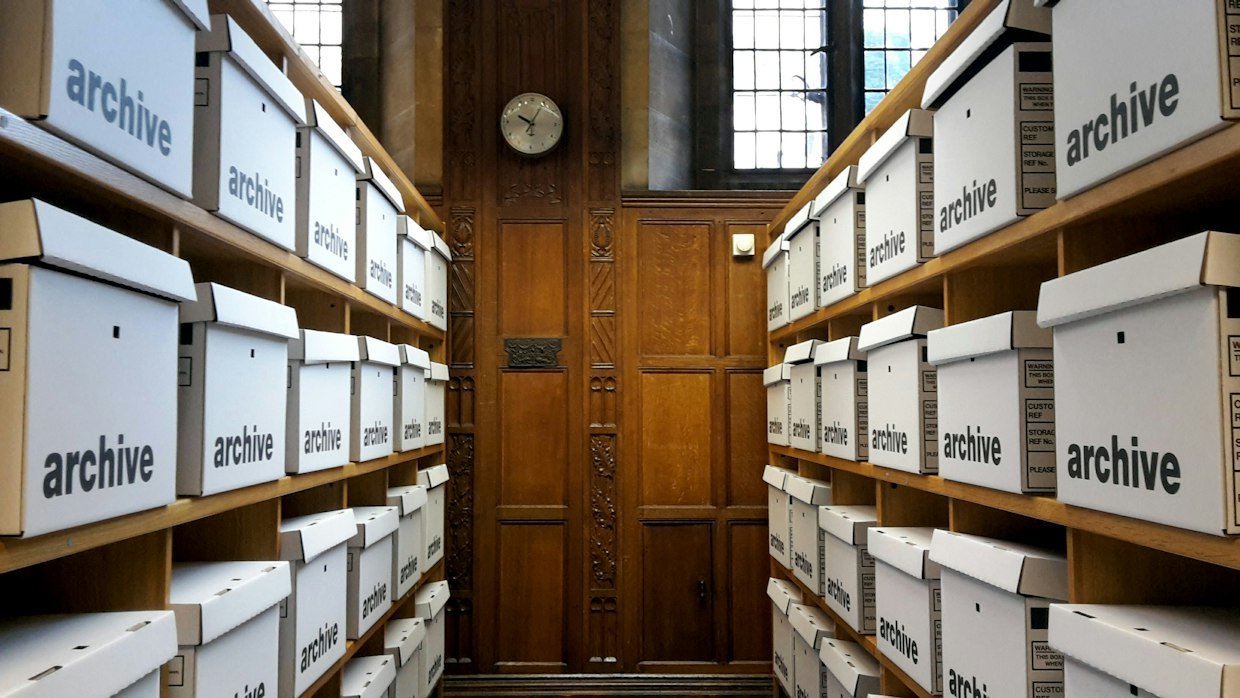
Three years of conference summaries in a searchable folder answers questions that are otherwise unanswerable: when did this approach first get presented, who was working on it before it became fashionable, what did the field think about this problem in 2023.
Those questions are normally locked inside recordings nobody will rewatch. Text with timestamps turns them into a search — which is why exporting matters more than the individual summary does.
What this will not do
Talks with no captions. Smaller conferences upload without captions and YouTube does not always generate them. If there is no caption track there is nothing to read; the options when a transcript is missing are limited.
Heavy accents and poor room audio. Conference audio is frequently bad — a lapel mic in a large hall, an audience question shouted from row twenty. Automatic captions degrade accordingly, and the summary inherits that.
Anything on the slides. Figures, chart values, code samples, citations. Get the slide deck separately.
Recordings not on YouTube. Conference platforms that host their own video, or gated recordings behind a registration wall, are out of scope.

A workflow for a whole programme
- Find the conference playlist. Most post everything as one playlist.
- Summarize the set, keeping timestamps intact.
- Read for relevance, not detail — you are sorting, not learning.
- Mark three or four to watch properly.
- Grab the slide decks for any talk you intend to cite.
- Export everything into the folder you search later.
Step five is the one people skip and regret, because the slides are where the evidence lives and conference sites reorganise.
Frequently asked questions
Can it summarize an entire conference playlist at once?
Videos are summarized one at a time, though working through a playlist is a common pattern. The free tier allows five a day, so a forty-session programme takes planning or a paid plan.
Will it capture the numbers from the slides?
No. Summaries are built from what was spoken, and speakers rarely read figures aloud. Treat the slide deck as a separate source for anything quantitative.
Does it work on panel discussions with several speakers?
It captures what was discussed reliably, and who said it only by inference, because automatic captions carry no speaker labels. Verify at the timestamp before attributing a claim.
Is a summary enough to cite a talk in a paper?
No. Use it to find the talk and the moment, then quote from the video or the speaker's own published material. A paraphrase of a paraphrase is not a citation.
Turn a programme into a morning
Summarize the talks, read for relevance, then watch the three that matter.
Summarize a talk — free