Guides
How to Save a YouTube Summary to PDF
There is no "export as PDF" button, and adding one would make the output worse for most of the things people then want to do with it.
PDF is a page-description format. It was designed so a document prints identically everywhere, and it is very good at that. What it is not good at is being edited, searched across a collection, or reflowed onto a phone screen.
Since most people asking for a PDF actually want "a file I can keep and send", and Markdown export serves that better in every respect except printing, the honest answer is to explain the trade and show the three routes that work when you genuinely need PDF.
Three routes, and what each costs
| Route | Effort | Timestamps stay clickable |
|---|---|---|
| Browser print to PDF | Two clicks | Usually yes |
| Paste into a Doc, export PDF | A minute | Yes |
| Markdown converter (Pandoc etc.) | Setup once | Yes, with the right flags |
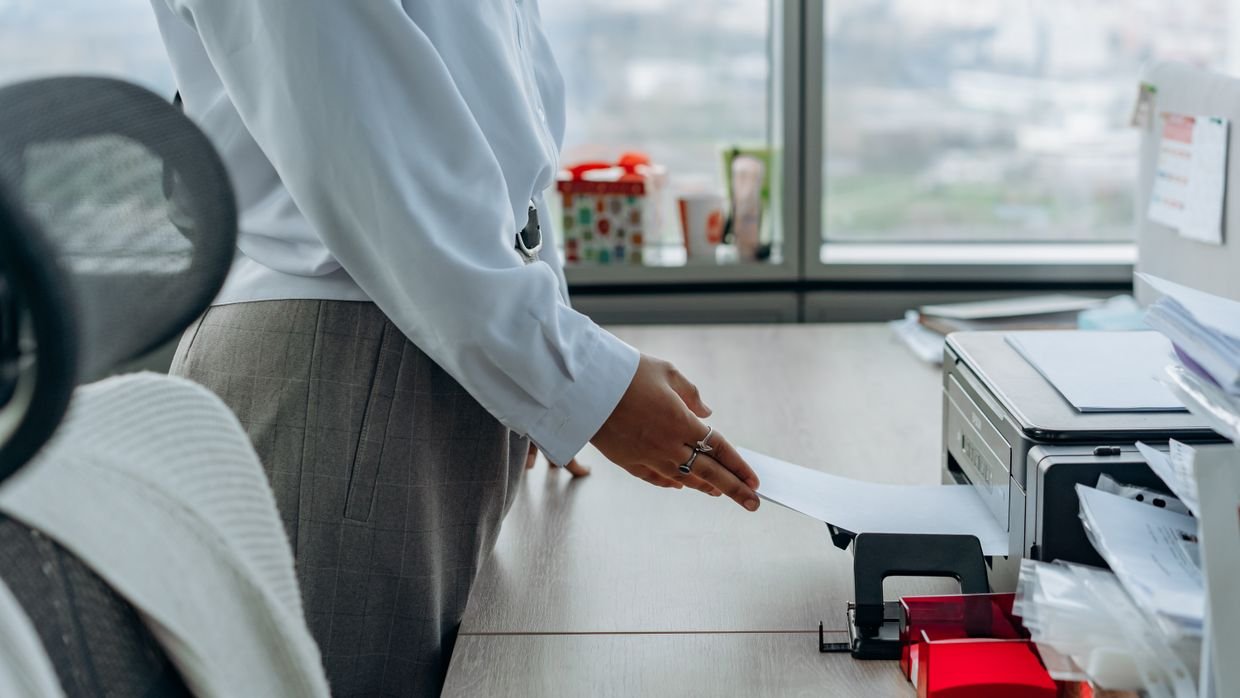
The first is what almost everyone should use. Ctrl+P or Cmd+P on the summary page, choose "Save as PDF" as the destination, done. No tool, no account, no upload.
The second is worth it when the PDF is going to someone else and you want to add your own framing first — the same reasoning as getting a summary into a Doc generally.
What you lose by freezing it
A PDF is a photograph of a document. That has consequences worth understanding before you make it your storage format rather than your delivery format.
It stops being editable. You cannot add the annotation that makes a note findable later — why you watched it, what you concluded, what you doubted. Those additions are what make an archive useful, and a PDF closes the door on them.
It does not search across a collection. Two hundred PDFs in a folder are two hundred separate documents. Two hundred Markdown files are a searchable corpus that grep, Spotlight or any notes app can query at once.
It reflows badly. A PDF laid out for A4 is awkward on a phone, which is where a lot of reading happens.
It is a dead end. Markdown converts to PDF trivially. PDF converts back to anything else badly. Keeping the editable version and generating PDFs on demand gives you both; keeping only the PDF gives you one.
When PDF is genuinely the right answer
It has real uses, and they are all about handing something to a person rather than keeping it.
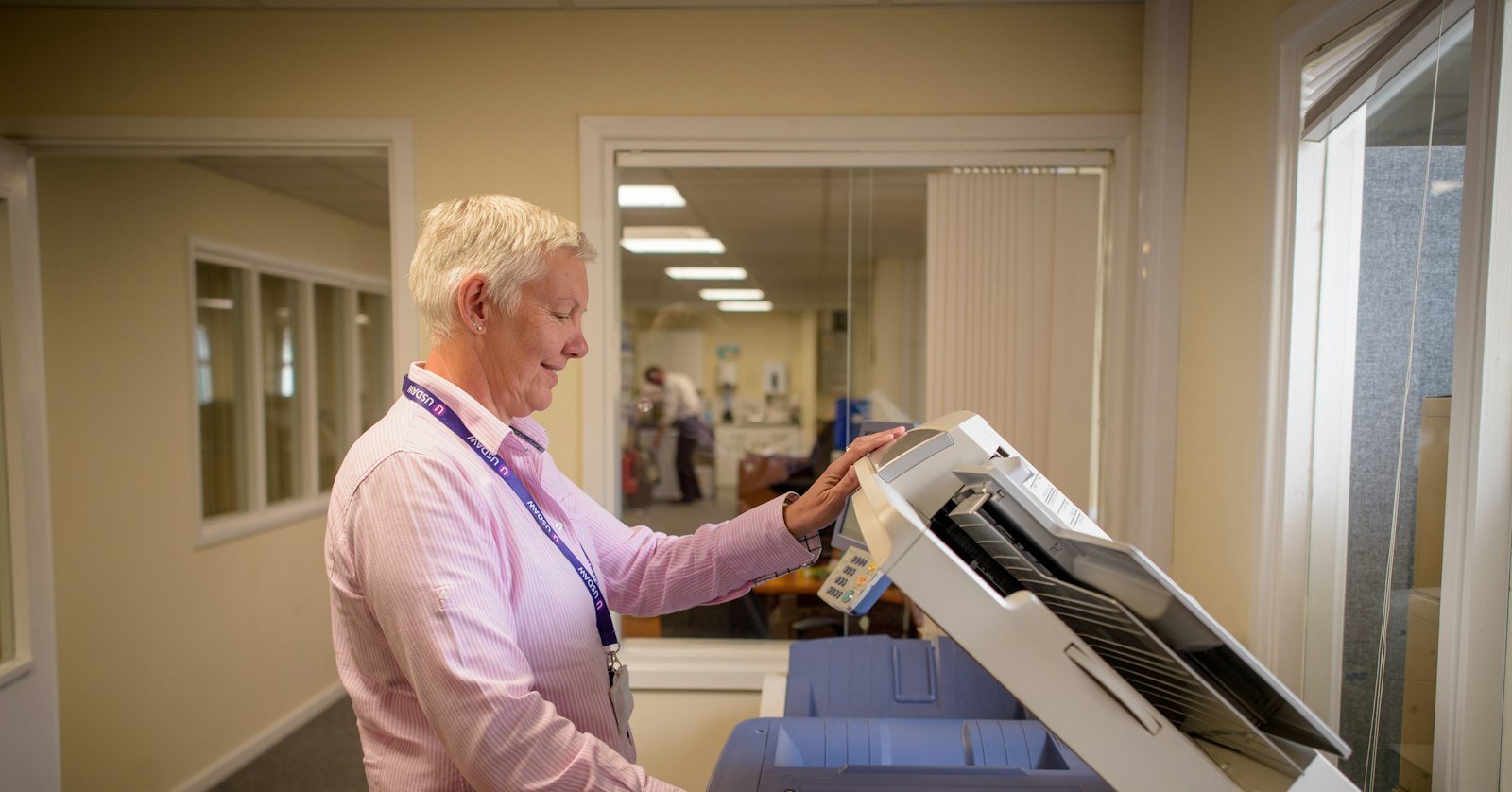
Printing. Working from paper — at a bench, in a lab, somewhere a screen is impractical — is the original case and PDF is unbeaten at it. A printed checklist derived from a tutorial is the obvious example: your hands are busy, the screen is across the room, and paper does not time out or need unlocking.
Sending to someone outside your tools. A PDF opens everywhere with no account and no app. For a client, a supervisor, or anyone you cannot assume shares your setup, that matters.
Attaching to a record. Coursework submission, a case file, a compliance archive — contexts where the document is supposed to be fixed and unmodifiable is the point rather than the drawback. Being unable to edit it after the fact is precisely what the recipient needs to be able to rely on.
Long-term readability. PDF is an ISO standard, which is a reasonable bet for a document you need opened in twenty years. Plain text is a better bet still, but PDF is respectable.
Keeping the timestamps alive
The one thing genuinely worth checking when you make the PDF.
A summary's value after the fact is that every section links back to the moment in the video it came from. Printing to PDF normally preserves those as real hyperlinks, so the PDF stays checkable.
Some routes flatten them into plain text, which leaves a document full of times that look like links and do nothing. If the PDF is for anyone else, click one before you send it.
Where links will not survive — a genuinely printed copy, for instance — it is worth putting the video URL in full at the top, so a reader on paper can at least find the source. Timestamps that cannot be followed remove the main defence against a paraphrase being taken as fact.
The pattern worth adopting
The trap is treating PDF as a storage decision when it is a delivery decision, and the two have opposite requirements.
Storage wants a format you can edit, search across, annotate and convert. Delivery wants a format that looks the same everywhere and needs nothing installed. No single format is best at both, which is why choosing one for both always disappoints.
So: keep Markdown, generate PDFs. The Markdown file stays in whatever you use — a vault, a notes app, a folder — where you can add your own annotation and find it again. The PDF gets made at the moment someone needs one and thrown away afterwards, because it can always be regenerated.
That inverts what most people do, which is to produce the PDF first and keep it. The result is an archive of frozen documents nobody can extend, and a year later the annotations that would have made them useful were never written, because the format made writing them awkward.
Printing it well
Two settings make a browser-printed summary considerably more readable, and both are in the print dialog.
Turn off headers and footers. Otherwise every page carries the URL and a date stamp that add nothing.
Leave background graphics off. The default, and correct — you want the text, not the page furniture.
If the result still looks cramped, pasting into a Doc first and exporting from there gives you control over margins and type size that a browser print does not.
One thing worth adding before you print: the video URL in full, written out, near the top. On screen the timestamps are clickable and the link is redundant. On paper they are just numbers, and without the URL a reader has no route back to the source at all — which removes the only defence a reader has against taking a paraphrase as established fact.
Frequently asked questions
Is there a PDF export button?
No. Your browser's "print to PDF" does the same job in two clicks, and building a button for it would add nothing. Markdown export is the format that keeps the summary useful afterwards.
Do timestamp links work inside a PDF?
Usually yes — printing to PDF normally preserves them as real hyperlinks. Some routes flatten them to plain text, so click one before sending the file to anyone.
Should I archive summaries as PDFs?
No. PDFs cannot be annotated usefully and do not search well as a collection. Keep Markdown as the stored version and generate a PDF whenever you need to hand one to someone.
What is the quickest route?
Ctrl+P (Cmd+P on a Mac) on the summary page, then choose "Save as PDF" as the destination. Turn off headers and footers in the dialog for a cleaner result.
Keep the editable one, print the other
Export Markdown for yourself and generate a PDF when someone else needs it.
Summarize a video — free