Guides
How to Summarize YouTube Video on Mobile Devices
Most YouTube watching happens on a phone and most summarizer advice assumes a desktop. The good news is that the web version works fine on mobile — the transcript route does not.
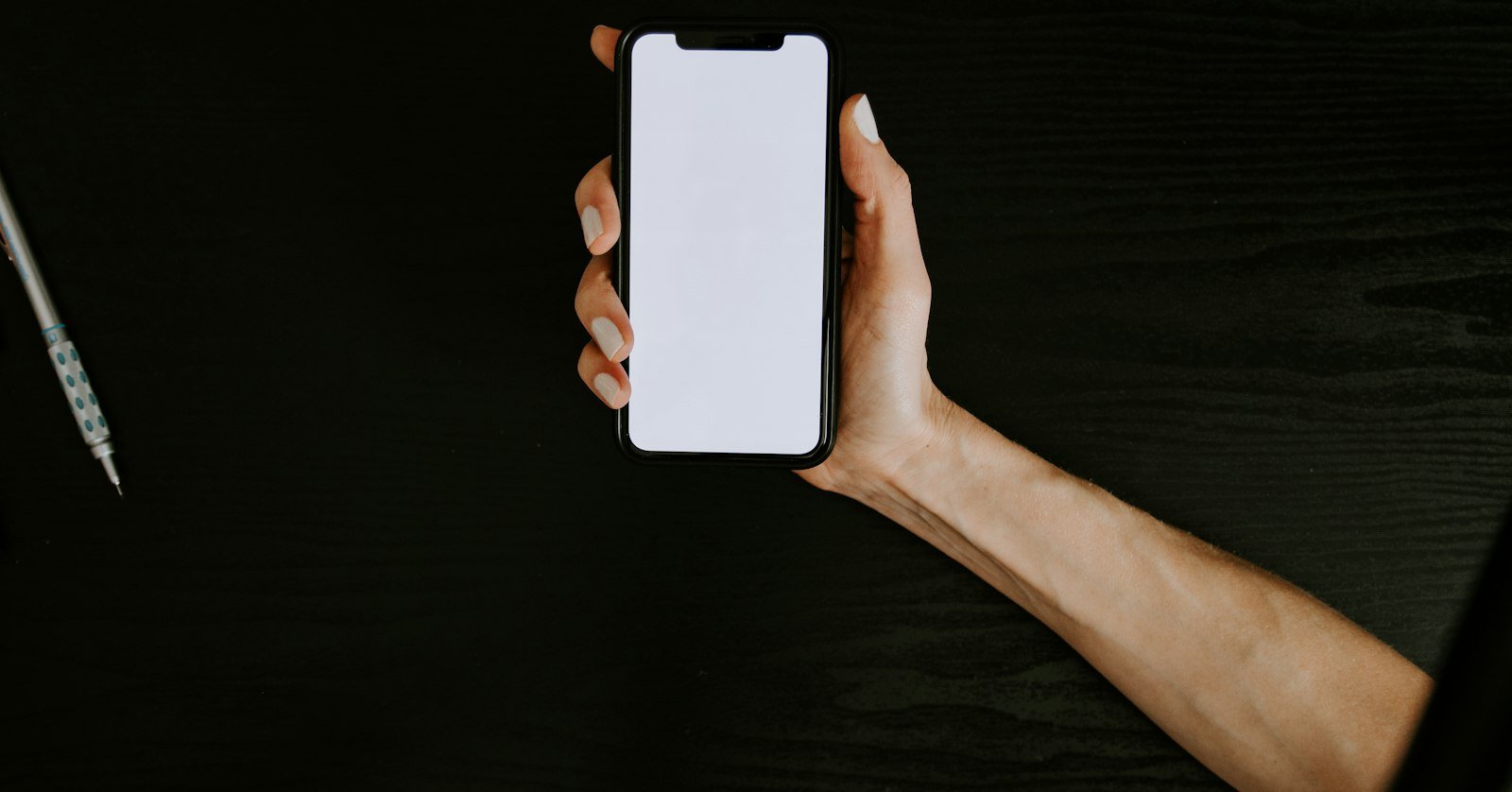
The process is identical on a phone; what differs is the friction around it. The practical question is not which tool is best. It is which approach involves the fewest steps, because anything requiring copy-paste between apps will not become a habit.
The short version
Three steps, no install, and it works identically whether you are on iOS or Android, in Safari or Chrome.
- Tap Share under the video in the YouTube app.
- Tap Copy link.
- Open the summarizer in your mobile browser and paste.
That is it — no install, no account, and it works the same in Safari, Chrome or whatever you use. The whole thing takes about fifteen seconds once the page is bookmarked.
Bookmarking to your home screen is worth doing. It removes the "find the site" step, which is the one that stops people bothering.
Why the transcript route fails on mobile
Worth covering because it is the approach most guides recommend, written by people who were sitting at a desk when they wrote them.
The obvious alternative — copy the transcript, paste it into a chatbot app — works badly on a phone for reasons that are nothing to do with the summarizing.
The YouTube mobile app surfaces the transcript inconsistently, and when it does, selecting twelve thousand words on a touchscreen is genuinely unpleasant. Most people give up partway and paste a fragment.
Requesting the desktop site in a mobile browser usually restores the transcript panel, which helps, and is still several awkward steps. Pasting a link avoids the whole problem.
| Approach | Steps | Works? |
|---|---|---|
| Share link to a web tool | 3 | Yes |
| Copy transcript into a chatbot | 6+, fiddly | Poorly |
| Browser extension | n/a | Limited mobile support |
| Dedicated app | Install first | We do not have one |
Extensions barely exist here
This inverts the desktop advice, where an extension is usually the lowest-friction option available.
On desktop, an extension is the lowest-friction option. On mobile it mostly is not available — support varies by browser and platform, and the experience is inconsistent where it exists.
That flips the usual recommendation. A web tool that needs nothing installed is the sensible mobile choice precisely because there is nothing to install, and it behaves identically across devices.
Sharing from other apps
The Share sheet is not limited to the YouTube app, which makes this work from almost anywhere a link appears.
A video shared in a message, posted in a Slack channel, or embedded in a newsletter can be long-pressed and copied the same way. YouTube's own documentation on sharing covers the link formats, and all of them resolve — full URLs, short youtu.be links, and links that already carry a timestamp.
That last one is handy: a link someone sent you pointing at 14:22 still summarises the whole video, so you get the context around the moment they wanted you to see.
The commute pattern
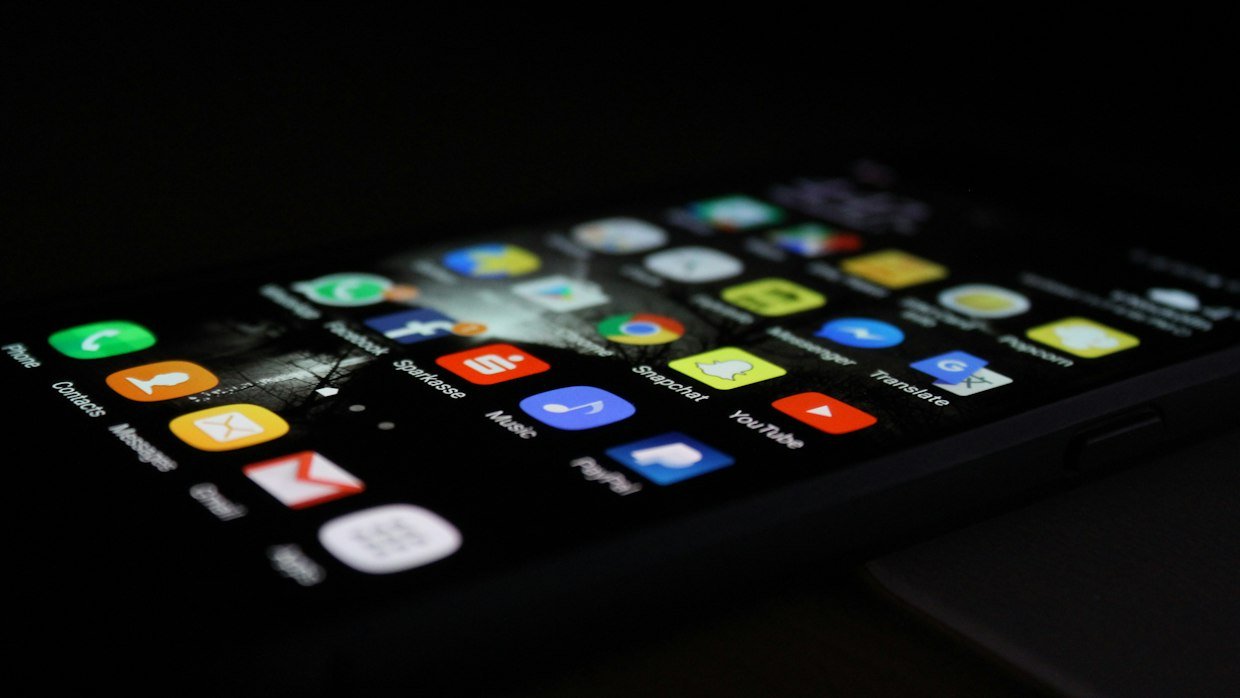
Worth naming because it is where mobile summarising is genuinely better than desktop, rather than merely adequate.
You have fifteen minutes and a queue of saved videos. Reading four summaries and deleting three of them is a better use of that time than watching half of one and losing your place.
It works on a phone precisely because it is a shallow task. The decision is "worth my evening or not", which needs no notes, no screen space and no real attention.
Reading the output on a small screen
Worth picking a shorter depth than you would on a desktop. Full structured notes on a phone is a lot of scrolling, and the thing you usually want on mobile is the decision rather than the detail.
The chapter map works particularly well on a phone, because tapping a timestamp jumps you straight back into the video in the app — which is a genuinely better experience than the desktop equivalent.
If you want the detail later, export it and read it on a larger screen. See exporting to Markdown.

Data and battery, briefly
A practical point for anyone doing this on a commute with a limited plan.
Summarizing transfers almost nothing — a URL out, a page of text back. Watching the same video streams hundreds of megabytes, so reading a summary instead is a substantial saving on both data and battery.
That is a minor benefit most of the time and occasionally the deciding one, on a train with poor signal where a video will not play reliably anyway but a page will load.
The habit that makes it useful
Summarize before watching, not after. On a phone, in a queue or on a commute, two minutes of reading tells you whether a twenty-minute video deserves the rest of your journey.
That is the mobile use case that actually pays — triage rather than study. The deeper work belongs on a machine where you can write things down.
And export anything worth keeping immediately, because without an account there is no history, and phone tabs get closed far more casually than desktop ones.
What does not work on mobile
There is no app, and we are not going to imply one is coming to keep you reading. The web version is the product on every device.
Offline does not work either — summarizing requires fetching the caption track, so an underground commute with no signal is not the moment.

Adding it to your home screen
Worth doing once, because it removes the step that stops this becoming a habit.
In Safari, tap Share and then "Add to Home Screen". In Chrome on Android, the menu has "Add to Home screen". Either way you get an icon that opens the page directly, which is functionally what an app would give you.
After that the flow is three taps from anywhere a YouTube link appears, with nothing installed and nothing granted access to your browser. For occasional use on a phone that is the right trade.

Frequently asked questions
Is there a mobile app?
No. The web version works in any mobile browser, and adding it to your home screen gets you most of what an app would provide without an install.
How do I get the video link from the YouTube app?
Tap Share under the video, then Copy link. The youtu.be short link that produces works exactly like a full URL.
Can I see the transcript on mobile?
Inconsistently in the app. Opening the video in a mobile browser and requesting the desktop site usually restores it, though pasting the link into a summarizer avoids needing it at all.
Do the timestamps work on a phone?
Yes, and better than on desktop in one respect — tapping one opens the video at that moment in the YouTube app directly.
Which depth should I use on mobile?
Something short. The chapter map or key points suit a small screen; full notes means a lot of scrolling for something better read on a laptop.
Three taps from the YouTube app
Share, copy link, paste. Bookmark the page and it becomes a fifteen-second habit.
Summarize a video — free