Guides
YouTube Livestream Summarizer
Streams are the hardest videos to summarize and the ones where it saves the most time. Four hours, no structure, and the twenty minutes you needed somewhere in the middle.
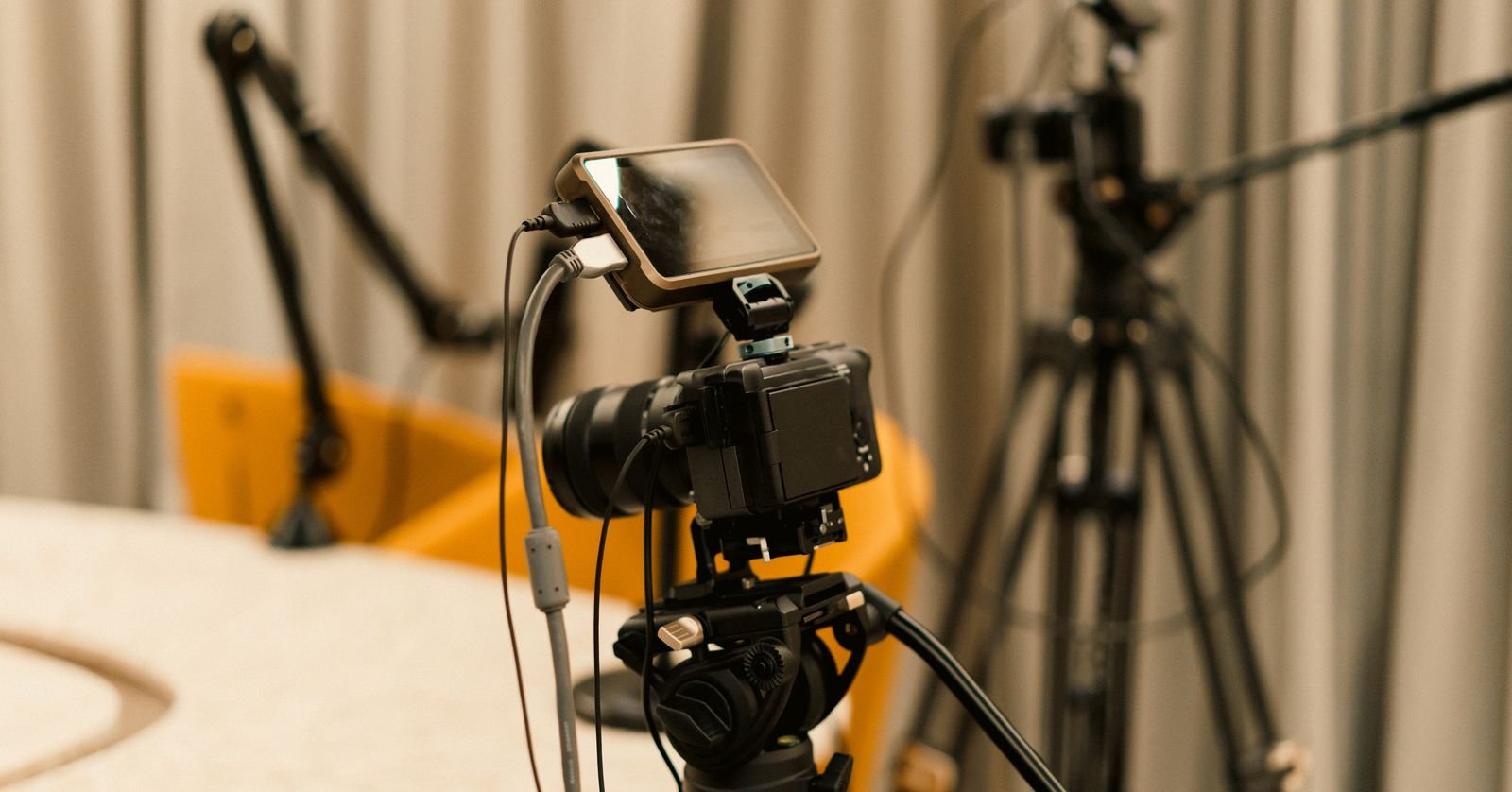
A livestream replay is the worst-organised video on the platform. Nobody edited it, nobody planned the running order, and the interesting part arrived because someone asked a question in chat.
That is exactly why a map helps — and also why streams break more tools than any other format.
Replays, not live
Worth being clear up front: this works on the replay, once the stream has ended
and YouTube has produced a caption track, using the same approach as
any other long video. A /live/ URL resolves the
same way any watch link does.
It does not summarize a stream while it is running. There is no partial transcript to work from in real time, and a summary of a stream still in progress would be obsolete the moment it finished generating.
Captions also take a little while to appear after a long stream ends. If a replay returns no transcript immediately, that is usually why — try again later rather than concluding it will never work.
Why streams are structurally difficult
Three properties combine badly, and they are inherent to the format rather than fixable by a better tool.
No outline. A talk has a plan. A stream has a start time. Sections exist only in retrospect, and they have to be inferred entirely from content.
Extreme length. Two to six hours is normal, well past the point where most tools quietly truncate. That is past the point where many tools truncate, and past the point where a single read attends evenly to the middle.
Very low signal density. Much of a stream is waiting, reading chat, technical setup and repetition for people who just joined. The useful material is concentrated in bursts you cannot predict.
| Edited video | Stream replay | |
|---|---|---|
| Length | 10–60 minutes | 2–6 hours |
| Structure | Planned, often chaptered | None — inferred after the fact |
| Signal density | Fairly even | Concentrated in bursts |
| Caption quality | Usually decent | Variable — audio issues, crosstalk |
| Main risk | A dropped caveat | An hour silently unread |
Captions are the weak link
Live audio is harder to transcribe than recorded audio, and streams pile on the difficulties: variable microphone quality, guests on poor connections, people talking over each other, background music, long silences.
The BBC's subtitle guidelines are instructive on how much harder live and unscripted material is to caption accurately than prepared content — the same factors that make live subtitling difficult make automatic transcription of a replay unreliable.
Practically: expect names, technical terms and anything said once to be the least reliable parts of a stream transcript, and check them at the timestamp before quoting.
The check that matters most here
On a four-hour replay, coverage is the thing to verify, and it takes two seconds.
Look at the final timestamp in the summary and compare it with the runtime. A stream running 4:12:00 whose last citation sits at 1:05:00 was read to a quarter of its length, and the summary will not say so.
Then look at the spread. Evenly distributed citations suggest the whole replay was processed; a dense cluster in the first hour and nothing after suggests the rest was skimmed or dropped.
Gaps are information, not always errors
A stream genuinely does contain long stretches with nothing worth citing. Forty minutes of setup, a break, an extended tangent about someone's cat.
So a gap in the middle of a chapter map is not automatically a failure — it may be the most useful thing the summary tells you, because it identifies the forty minutes you can safely skip.
The distinction is whether the gap sits between citations or after the last one. Gaps in the middle are usually real. A gap that runs to the end of the video is truncation.
What to do with a stream summary
The realistic outcome is not reading instead of watching. It is finding the three segments worth watching out of a four-hour replay you were never going to open.
- Read the chapter map first and ignore the takeaways.
- Identify the two or three segments relevant to why you came.
- Open those timestamps and watch at normal speed.
- Export the map, because the replay will be hard to navigate again later.
For streams specifically, the chapter map is worth more than the key points. The points tell you what was said; the map tells you where, which is the problem a four-hour replay actually poses.
Streams age badly, which is the deeper problem
A four-hour replay is not just hard to watch. It is hard to return to, and that is what makes stream content quietly worthless a month after it airs.
You remember something useful was said. You do not remember which stream, or where in it. Scrubbing a four-hour video looking for a two-minute exchange is a task nobody completes, so the information is effectively gone.
A chapter map with timestamps is the only cheap fix. It turns an unnavigable block into an index, and unlike the replay itself, the index is searchable — including by someone who was not there.
For anyone who follows streamed content seriously, that is worth more than the time saved on any single replay. The archive becomes usable rather than theoretical.
Which streams repay it
Conference and event streams repay it most — several talks in one upload, and the map effectively splits them back apart.
Q&A and AMA streams repay it well, because the structure is genuinely a list of questions and answers that a map reconstructs cleanly.
Gameplay and coding streams repay it least. The content is on screen, the commentary is incidental, and the transcript carries very little of what happened.
Set your expectations first
A stream summary will be patchier than a summary of an edited talk, and that is the format rather than the tool. Four hours of unscripted audio simply contains less structure to recover.
Judge it on the chapter map rather than the takeaways. If the map lets you find the segment you came for, it did its job — even if the key points read thin, which on many streams is an accurate reflection of the source.
Frequently asked questions
Can it summarize a stream while it's live?
No — it works on the replay once the stream has ended and captions exist. There is no complete transcript to read while a stream is still running.
My replay says there's no transcript. Why?
Captions can take a while to appear after a long stream ends, and some streams never get them if the audio was poor. Try again later before concluding it will not work.
Is there a length limit for stream replays?
No fixed ceiling. Long replays are read in overlapping passes rather than truncated — verify by checking the last timestamp against the runtime.
Why are there gaps in the chapter map?
Often because nothing citable happened there, which is useful to know. A gap between citations is usually genuine; a gap running from the last citation to the end means the read stopped early.
Does chat get included?
No. The summary is built from the caption track, which is spoken audio only. Questions from chat appear only where the host read them aloud.
Open the four-hour replay you skipped
Get the chapter map, find the twenty minutes you came for, and watch those properly.
Summarize a replay — free