Guides
YouTube Video to Recipe: What the Captions Give You
The cook says "a good glug of oil, then into a hot oven". The caption track records exactly that — and the 200 ml and 220°C that flashed up on screen are not in it.
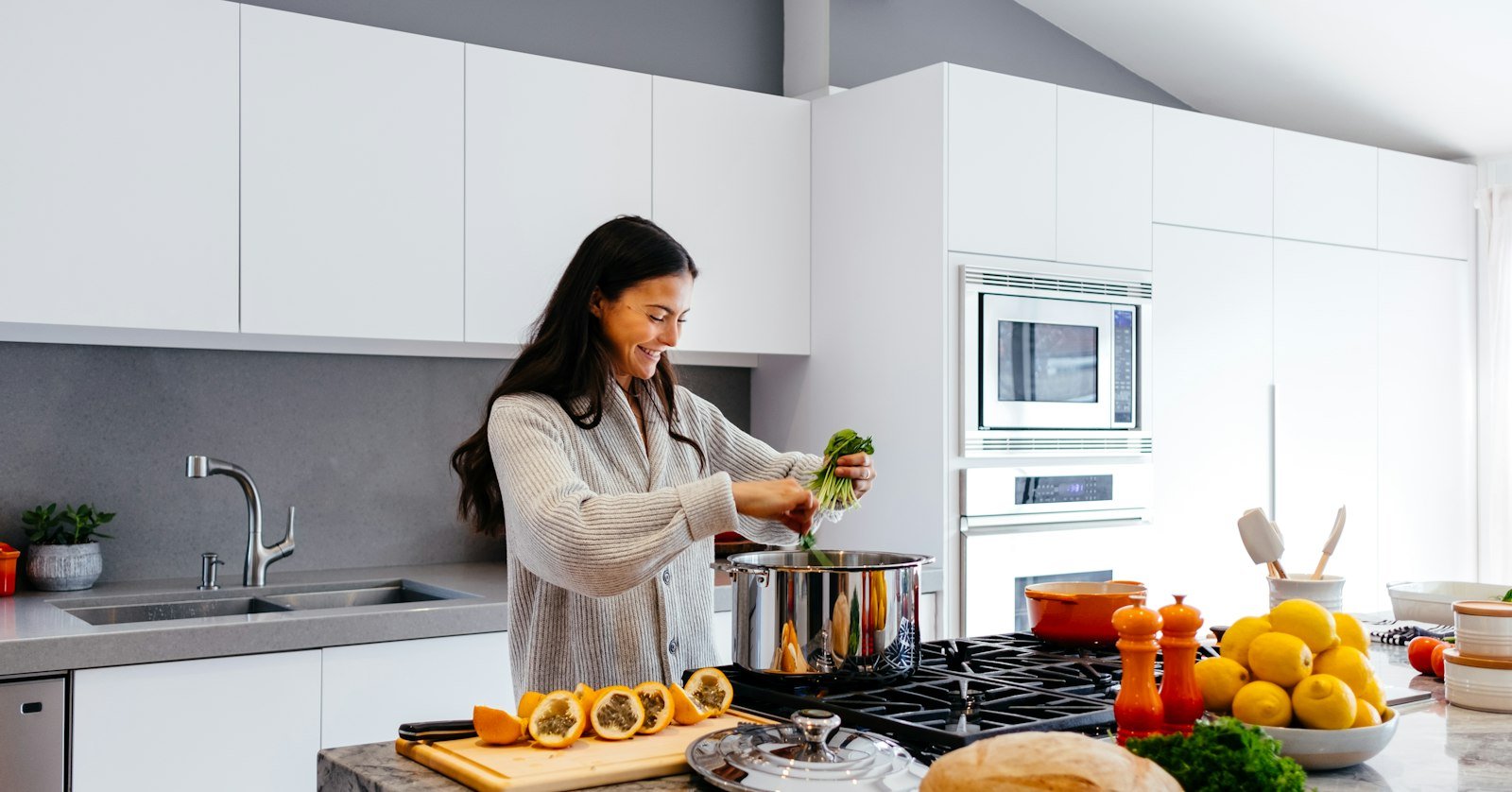
Going from a YouTube video to recipe notes is a reasonable thing to want. You cannot cook from a video — your hands are covered in flour and the presenter will not wait — and a list you can glance at is the format a kitchen needs.
This tool can get you part of the way. It reads the video's captions, the spoken text, and turns them into a TL;DR and key takeaways. What it gives you is notes on the method, not a structured recipe card with an ingredient table, and the reason why is worth understanding before you start cooking from it.
What a cooking video's captions actually contain
A recipe has two halves: what goes in, and what you do with it. Cooking videos are good at speaking the second half and bad at speaking the first.
| What you need | Usually spoken? | Where else to look |
|---|---|---|
| Ingredient names | Mostly | Description box |
| Exact quantities | Often not | On-screen text, description |
| Oven temperature | Sometimes | On-screen text, description |
| Order of steps | Yes | — |
| Timings | Often, loosely | On-screen timer |
| What "done" looks like | Described, not shown | The video itself |
| Why a step matters | Yes, in good videos | — |
The pattern is that technique survives and measurement does not. A summary is built from what was said, and in a lot of cooking videos the numbers were never said.
Why the numbers go missing
Three habits of cooking videos account for most of it. None of them are the tool's fault, and all of them are easy to spot once you know to look.
Quantities as graphics. Many channels put the ingredient list up as a text overlay while the presenter talks about something else. The overlay is visual, and a caption track never sees visuals.
Cooking by feel. "A bit of this", "a pinch", "about this much", "until it looks right". These are honest descriptions of how the cook works, and they transcribe perfectly — as phrases with no amount in them.
The recipe lives elsewhere. Many creators put the full written recipe in the description box or on their own site. The video is the demonstration; the text is somewhere else, and it is usually more reliable than anything reconstructed from speech.
Check the description box first
Before you summarize anything, open the description. If the creator has written the recipe out, that is the source to cook from — it has the quantities they actually used, in their own words.
The summary is then useful for the part a written recipe skips: the running commentary. Why the pan needs to be that hot, what to do if the sauce splits, which step the cook says people always rush. That is spoken, and it is the thing a bare ingredient list never tells you.
A YouTube video to recipe workflow that holds up
- Read the description. Copy any written recipe or linked recipe page.
- Summarize the video. Paste the link and read the TL;DR and key takeaways for method and tips.
- Merge the two. Quantities from the written recipe, technique notes from the summary.
- Mark the gaps. Anything vague — "a splash", "a hot oven" — gets a question mark, not a guess.
- Watch the key moments. Texture, colour and consistency are visual, so check those in the video.
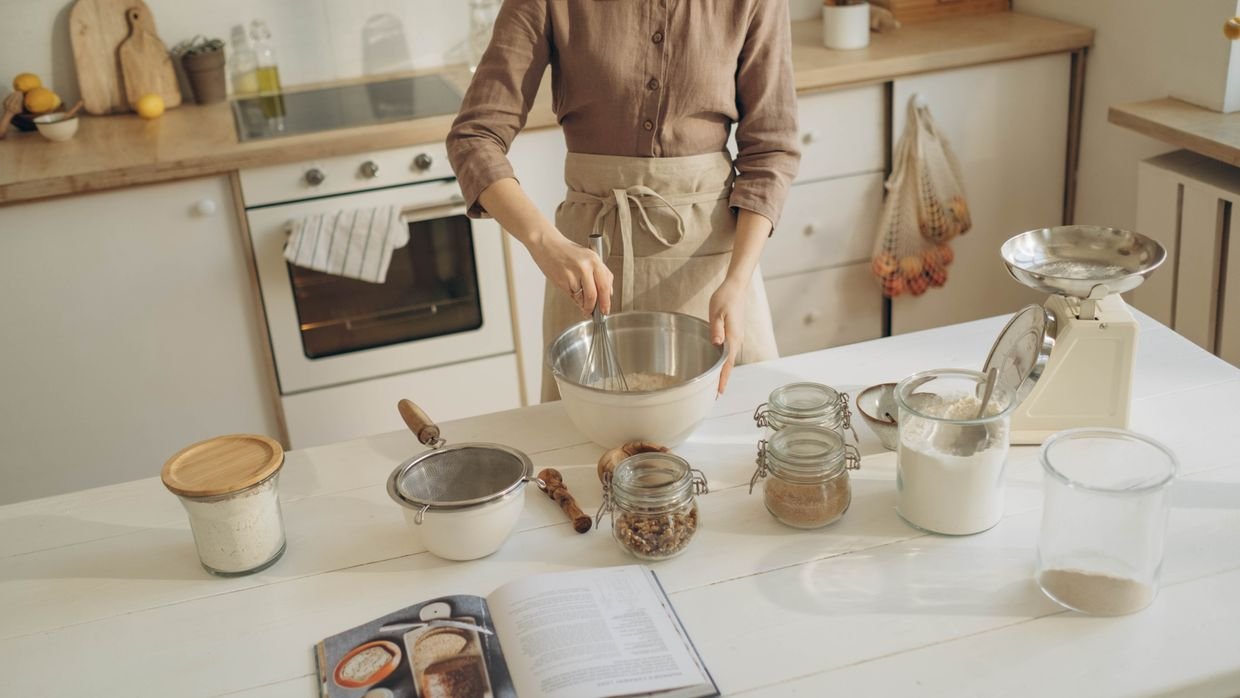
Step four matters most for baking. A stew forgives "a splash of stock"; a cake does not forgive a guessed quantity of flour. King Arthur's ingredient weight chart recommends weighing ingredients with a digital scale — and a caption track rarely contains a weight at all.
The copy and Markdown export on the free tier make the merge step easy. Paste the takeaways into the same note as the written recipe and you have one page to cook from.
Which cooking videos turn into good notes
Some formats convert well and some barely convert at all. You can usually tell within the first minute of watching.
Narrated technique videos are the best case. A chef who says "two tablespoons of butter, then leave it until it stops foaming" has put both the amount and the cue into speech, and the summary keeps both.
Talk-to-camera home cooks are mixed. Plenty of useful tips, but quantities come and go, and "a bit of this" is common.
Music-over-hands videos — the silent overhead format — have almost nothing to summarize. With no speech, there are often no captions worth reading, and on the free tier there is no transcription for videos without captions.
Scaling and substituting from notes
Home cooks rarely follow a recipe exactly. They change the quantity and swap an ingredient, and notes handle those two jobs very differently.
Scaling needs every amount written down, so it only works once you have the description's list beside you. Doubling "a bit of this" is still a guess, just a bigger one.
Substitutions are where the summary earns its place. Cooks often say out loud what else would work — "you could use yoghurt here", "any hard cheese is fine" — and those asides are exactly the kind of thing the key takeaways pick up and a written ingredient list leaves out.
What the notes will not be
A structured recipe card. The output is a TL;DR and key takeaways in prose and bullets, not a formatted ingredient table with servings and prep time.
A source of quantities the cook never said. If the amount was only on screen, the summary cannot know it. Treat any number in your notes as something to confirm against the description.
A picture of the result. "Cook until golden" is spoken; how golden is not. The video is still the reference for colour, texture and doneness.
Timestamped chapters on free. Chapters you can click back into are part of Pro, which is on a waitlist and not yet available. Free covers videos up to 30 minutes, which includes most recipe videos.
Where this sits next to a tutorial checklist
A recipe is a special case of a how-to. The broader guide to turning a tutorial into a checklist covers the general version: narrated steps survive, demonstrated steps do not. Cooking just makes the second half unusually costly, because a missing quantity changes the dish.
If you are unsure whether a given video will work, the how it works page explains what the tool reads and what it skips. The short version: if you could follow the recipe with your eyes closed, the summary can too.
Frequently asked questions
Can it turn a YouTube cooking video into a recipe card?
No. It produces a TL;DR and key takeaways from the captions, which read as notes on the method. There is no structured ingredient table, servings field or prep time.
Why are the ingredient amounts missing from my summary?
Because they were probably never spoken. Many channels show quantities as on-screen text or put them in the description box, and the tool only reads the caption track.
What if the video has no speech, just music?
There is little or nothing to summarize. The free tier also does not transcribe videos that lack captions. Check the description for a written recipe instead.
Is it free for recipe videos?
Yes, for videos up to 30 minutes in English, five a day, with no sign-up. Copy and Markdown export are included, so you can paste the notes next to the written recipe.
Method from the video, numbers from the description
Summarize the talk, then check the description box for the quantities.
Summarize a video — free