Guides
YouTube Summarizer for Content Creators
Research is the part of making things that expands to fill whatever time you give it. A summarizer compresses the research, not the making — and the difference matters more than it sounds.
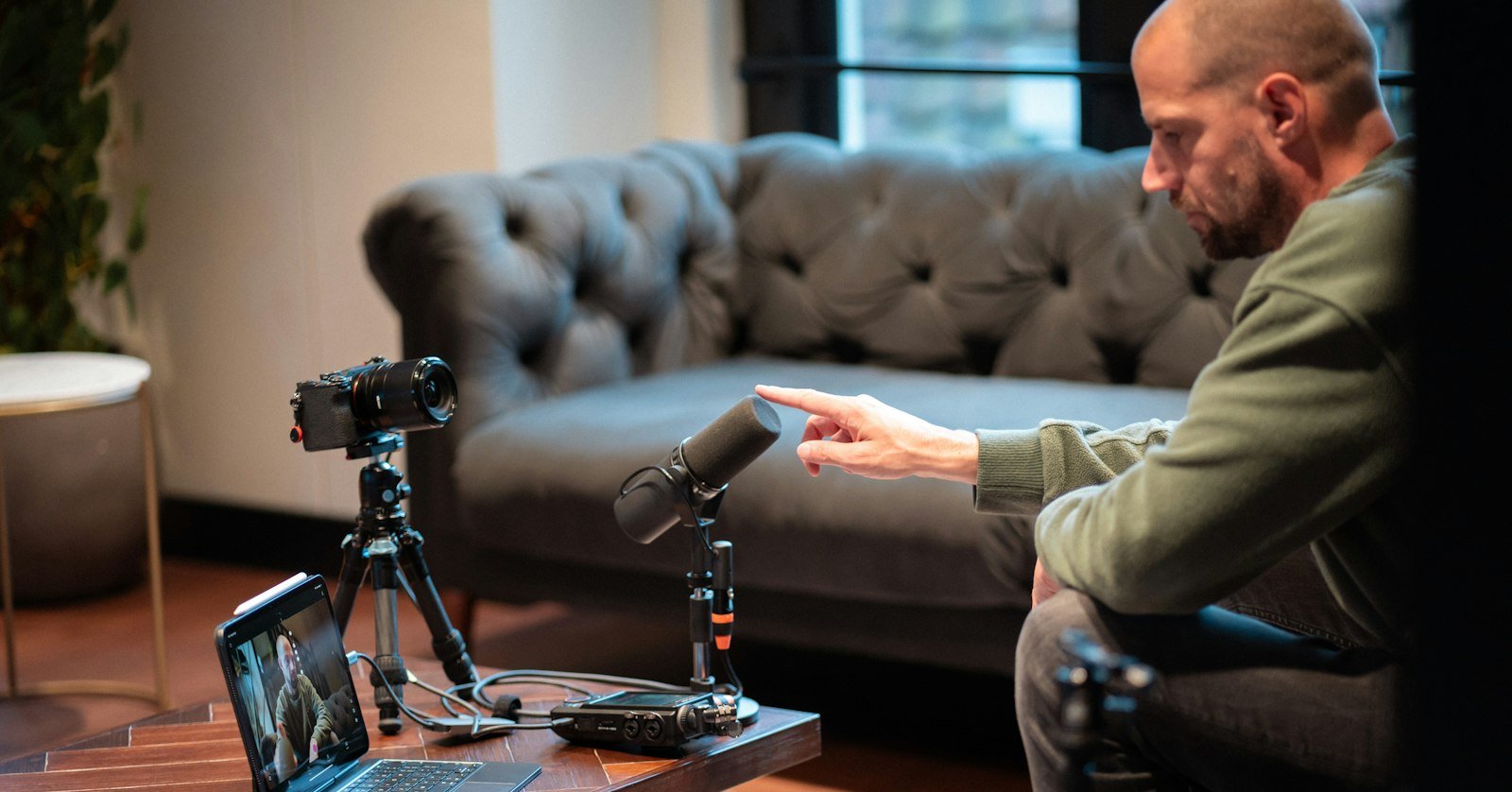
Creators use this differently from everyone else, because the output is not the point. Nobody publishes a summary. It feeds something else you make.
That changes which parts matter: coverage and traceability matter enormously, polish of the prose barely at all.
Four uses that hold up
Topic research. Before making anything on a subject, find out what already exists. Summarizing eight videos tells you what has been said to death and what nobody has covered — which is the actual brief.
Competitive analysis. What a channel in your space covered, in what order, and how deeply. Patterns across a catalogue are visible in summaries and invisible while watching.
Your own back catalogue. You have made things you no longer remember making. Summarizing your own uploads produces a searchable index of what you have already said.
Show notes and descriptions. The chapter map is most of the description already, with timestamps your audience will actually use.
| Stage | Useful? | What for |
|---|---|---|
| Finding a topic | Very | Spotting the gap nobody covered |
| Researching it | Very | Triage across a dozen sources |
| Scripting | No | That is the part that is yours |
| Publishing | Somewhat | Chapters and description from the map |
| Repurposing | Very | One video into several formats |

Finding the gap rather than the topic
Most topic research produces a list of what exists, which tells you what to avoid rather than what to make.
Summaries let you go one level deeper cheaply. Summarize the top eight videos on a subject and read the chapter maps side by side, and the shared structure becomes obvious — everyone covers the same five points in roughly the same order.
The sixth point, the one that appears in none of them, is your video. That judgement is very hard to reach by watching, because by video four you have lost track of what video one covered.
The use that will get you in trouble
Summarizing someone else's video and remaking it as your own is the obvious temptation and a bad idea for two separate reasons.
The practical one: it produces derivative work that is worse than the original, because you have the claims without the understanding that produced them. Audiences notice, and platforms increasingly do too.
The other: a summary is a paraphrase, so building on one means repeating claims you have not verified. If the original hedged something and the summary did not, you publish the unhedged version under your own name — which is the one failure here with real consequences.
Research breadth beats research depth
The instinct when researching a topic is to find the best video and watch it carefully. That produces a deep understanding of one person's framing.
Breadth serves creators better. Eight summaries at surface level tell you what the consensus is, which is the thing you need to either join or contradict — and you cannot contradict a consensus you have not mapped.
Depth comes afterwards, on the two videos that turned out to matter. Doing it in that order is only affordable when assessment is cheap, which is the actual change here.
Reuse, attribution and the rules
Worth knowing where the lines are, since creators operate closer to them than most users.
Commentary, criticism and building on someone's argument with attribution are ordinary practice. Reproducing substantial portions of someone's work is governed by copyright and by YouTube's Terms of Service, and a transcript is not public domain because the video is public.
The practical line we would draw: use summaries to know what exists, then make something that could only have come from you. Anything else competes on volume, which is a race nobody wins.
Mining your own archive
Underused and the highest-return thing on this page for anyone with a back catalogue.
Run your own uploads through, export the maps, and keep them in one searchable folder. You now have an index of every claim you have made publicly, with timestamps.
That solves the question every creator eventually faces — "have I already covered this, and what did I say?" — which is otherwise answerable only by watching your own videos, something nobody does.
Researching a guest or a collaboration
A narrower use that repays the effort every time: before interviewing someone, summarize their last ten appearances.
You learn what they always get asked, which stories they tell everywhere, and what they have never been pushed on. That last one is the whole interview — the question nobody has asked them is the reason to book them.
Doing this by watching is ten hours, which is why almost nobody does it and why most interviews cover the same ground as the last five. An hour of reading produces a genuinely different conversation.
Repurposing across formats
One long video contains a newsletter, several short clips and a written piece. The bottleneck is not the ideas, it is finding them again.
A chapter map identifies the self-contained segments. Timestamps mean you can pull a clip without scrubbing, and the claims list is the outline for a written version. We go through that in turning a video into a blog post.

What it will not do
It will not write anything worth publishing. Generated prose is fluent and generic, and the thing your audience comes for is neither.
It will not summarize videos without captions, which rules out a lot of short-form and music-led content. And it reads YouTube only — other platforms are outside scope.
It also has no bulk mode. Ten videos is ten runs, which for research is fine and for indexing a large catalogue is slow.

Where the time actually goes
Worth being precise about what this saves, because it is not the making.
Scripting, filming and editing are unchanged. What compresses is the part before that — working out what to make, and whether it has already been made better by someone else.
For most creators that stage is either skipped entirely, which produces derivative work by accident, or it expands to fill a week. Making it cost an afternoon is the whole proposition, and it is a smaller claim than the category usually makes.
Frequently asked questions
Can I use summaries to research video topics?
Yes, and it is the strongest use. Summarize the top videos on a subject, read their chapter maps together, and the gap nobody covered becomes visible — which watching them sequentially rarely reveals.
Is it okay to remake a video based on its summary?
We would not. You get the claims without the understanding, and a summary is a paraphrase — so any caveat it dropped, you publish without. Research widely, then make something that is yours.
Can it write my video description?
The chapter map gives you timestamped sections, which is most of a description. The hook at the top still needs writing — that is the part generated text is worst at.
Does it work on my own unlisted videos?
Yes, provided captions exist. Unlisted uploads work because the URL is the access — useful for reviewing a cut before publishing.
Can I summarize a whole channel at once?
One video at a time, five a day free. For a back catalogue that is slow but workable — the value is the searchable index you end up with rather than any single summary.
Find the gap before you make anything
Summarize the top videos on your topic and see which point nobody covered.
Summarize a video — free