Guides
Lecture Video Summarizer
Recorded lectures are slow on purpose. That is right for the room and brutal in revision week, when you need the one idea you missed and not the eighty minutes around it.

A semester of recorded lectures is forty or fifty hours of video. Nobody rewatches that, so in practice it goes unused — an archive that exists, gets backed up, and is never opened once between the last lecture and the exam.
The fix is not watching faster. It is turning each recording into something you can navigate, so the four minutes you actually need become findable in seconds rather than lost somewhere in an eighty-minute file you will never reopen.
Why rewatching fails
Rewatching a lecture feels like studying. It mostly is not. You sit through the eighty minutes you already understood to reach the four you did not, and the familiarity of hearing it again gets mistaken for knowing it.
The second viewing is more fluent than the first, which raises your confidence without improving your recall. That gap — feeling prepared while not being prepared — is the expensive part.
What you need instead is a map: the shape of the lecture, where each idea starts, and a way to jump straight to the bit that did not land.
Watching faster does not fix it either. At 1.5x you get the same eighty redundant minutes in fifty-three, with less slack to process them in. Speed helps when you already know the material and are hunting for one part — which is the situation where you should be jumping to a timestamp instead.
| Approach | Time | What it does |
|---|---|---|
| Rewatch in full | 90 min | Raises confidence, little recall gain |
| Rewatch at 2x | 45 min | Same, with less processing time |
| Re-read your notes | 10 min | Familiarity, not retrieval |
| Chapter map + targeted rewatch | 15 min | Finds and closes actual gaps |
The method that works
None of this is novel. It is standard retrieval practice applied to video. The only thing that has changed is that building the map used to mean scrubbing through a recording with a notepad, and now it does not — which removes the excuse rather than the work.
Fifteen minutes per lecture, replacing several hours of rewatching. The order matters more than it looks.
- Write the outline from memory first. Before generating anything. Sections, main claims, roughly in order. It should feel uncomfortable — the discomfort is the diagnostic.
- Generate the chapter map and compare. The difference between the two documents is your gap list, and each gap arrives with a timestamp attached.
- Rewatch only those minutes. Not the lecture. The three or four places where your version and the recording disagree.
- Write each gap in your own words. If you cannot, it is not closed yet. This is the step that does the actual learning.
Cornell's note-taking system has had the same structure for decades: capture, then reduce to cue questions, then recite from the cues. The generated map replaces the capture step, which was always the least valuable one.
What you get from each recording
Lecture recordings are an unusually good fit for this, because they are long, structured, and almost never have chapters — the exact combination that makes a generated map worth more than the uploader's own markers.
- A chapter map rebuilt from what was said, not from uploader markers most lecture recordings lack.
- Timestamped claims, so a gap becomes "14:22" rather than "somewhere in the middle".
- Four depths, from a one-line reminder of what the lecture covered to full structured notes.
- Markdown export into whatever you revise from.
Run it once per lecture, early in the term rather than the night before — the student workflow sets out how this fits around seminars and reading. A map built in week three is a revision asset in week eleven; one built the night before is just more reading.
The one-week gap matters too. Re-deriving the outline from memory a week later takes three minutes and is worth more than an hour of rewatching, because the spacing is what moves material from "I could reproduce this today" to "I will still have this at the exam".
Building an archive across a term
The payoff compounds if you run this weekly rather than in a panic. By week eleven you have a navigable index of the whole module instead of fifty hours of unopened video.
Keep the exports in one folder, one file per lecture, named by week. The practical value is search: "which lecture covered the second constraint" is answerable in seconds across a term's worth of notes, and unanswerable from the recordings themselves.
It also makes the gaps visible in aggregate. Three lectures in a row where your outline missed the same kind of idea is a pattern worth noticing well before the exam, and it is not something you can see one lecture at a time.
What it will not do
It will not learn the material for you, and using it that way backfires specifically rather than merely failing to help. Reading a clean set of generated notes produces the same false fluency as rewatching, faster.
The test is simple: if the summary is replacing your retrieval practice, you are using it wrong. If it is telling you what to practise retrieving, you are using it right. That distinction is the whole argument in how to actually study from YouTube.
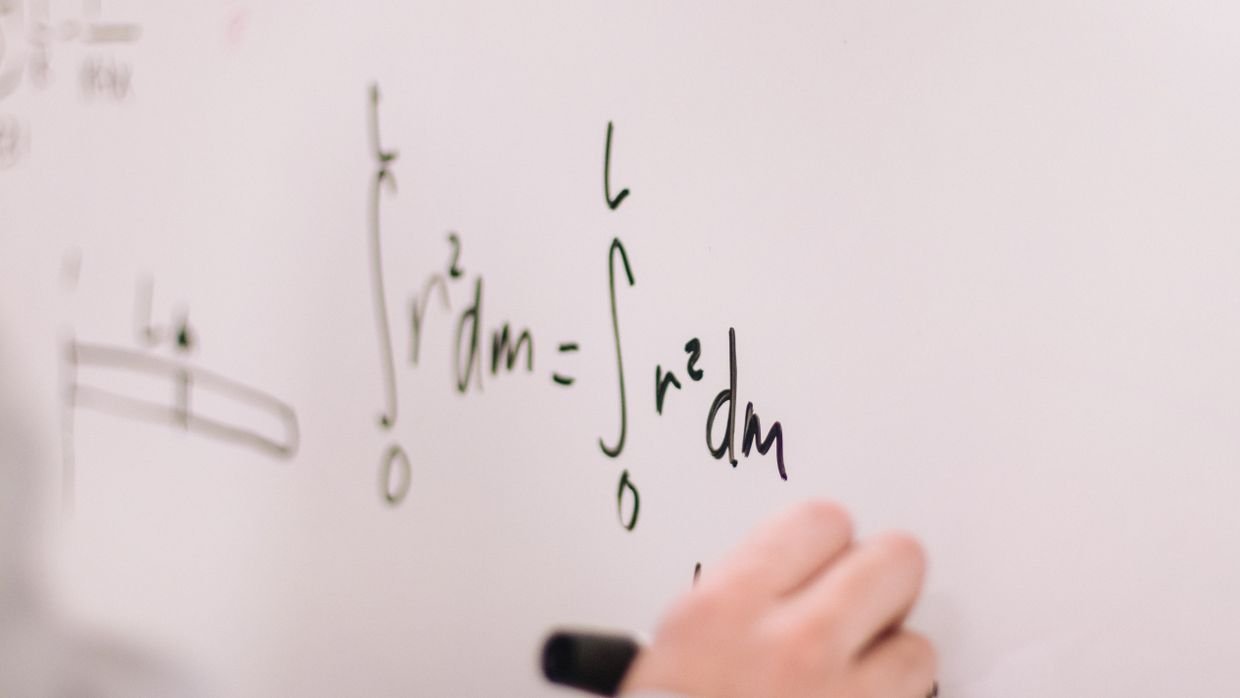
It also cannot help where the lecture's content is visual — a whiteboard derivation with little narration has very little in the transcript to work with.
If you only do one thing
Write the outline from memory before you generate anything. Everything else in this page is optional; that step is not.
It is the only part that tells you what you do not know, and it takes about four minutes. Generating a chapter map without it produces a tidy document and no information about your own understanding — which is how people end up with excellent notes and a bad exam.
Frequently asked questions
Does it work on recordings from my university's system?
Only if the recording is on YouTube, including unlisted uploads. Lecture capture platforms like Panopto or Echo360 are not supported today.
Will it work on a two-hour lecture?
Yes, and long recordings are covered end to end rather than truncated. Check the last timestamp against the runtime if you want to confirm it.
Is it accurate on technical subjects?
It depends on the captions. Automatic captioning is least reliable on technical terms and names, and a summary cannot recover a word the transcription never got right — worth checking any term that looks odd.
Is it free for students?
Five lectures a day with no account, at every depth, with export. That covers most weeks; the pricing page covers what happens in the ones it does not.
Should I generate the summary before or after the lecture?
After, and after you have written what you remember. Reading a summary beforehand gives you the shape of the argument without the work of building it, which feels like preparation and reliably is not.
Start with this week's lecture
Write the outline from memory first, then generate the map and work the difference.
Summarize a lecture — free