Guides
Public Meeting Summarizer
Councils stream everything and nobody watches. Decisions that affect a street get made at minute one hundred and forty of a recording with eleven views.
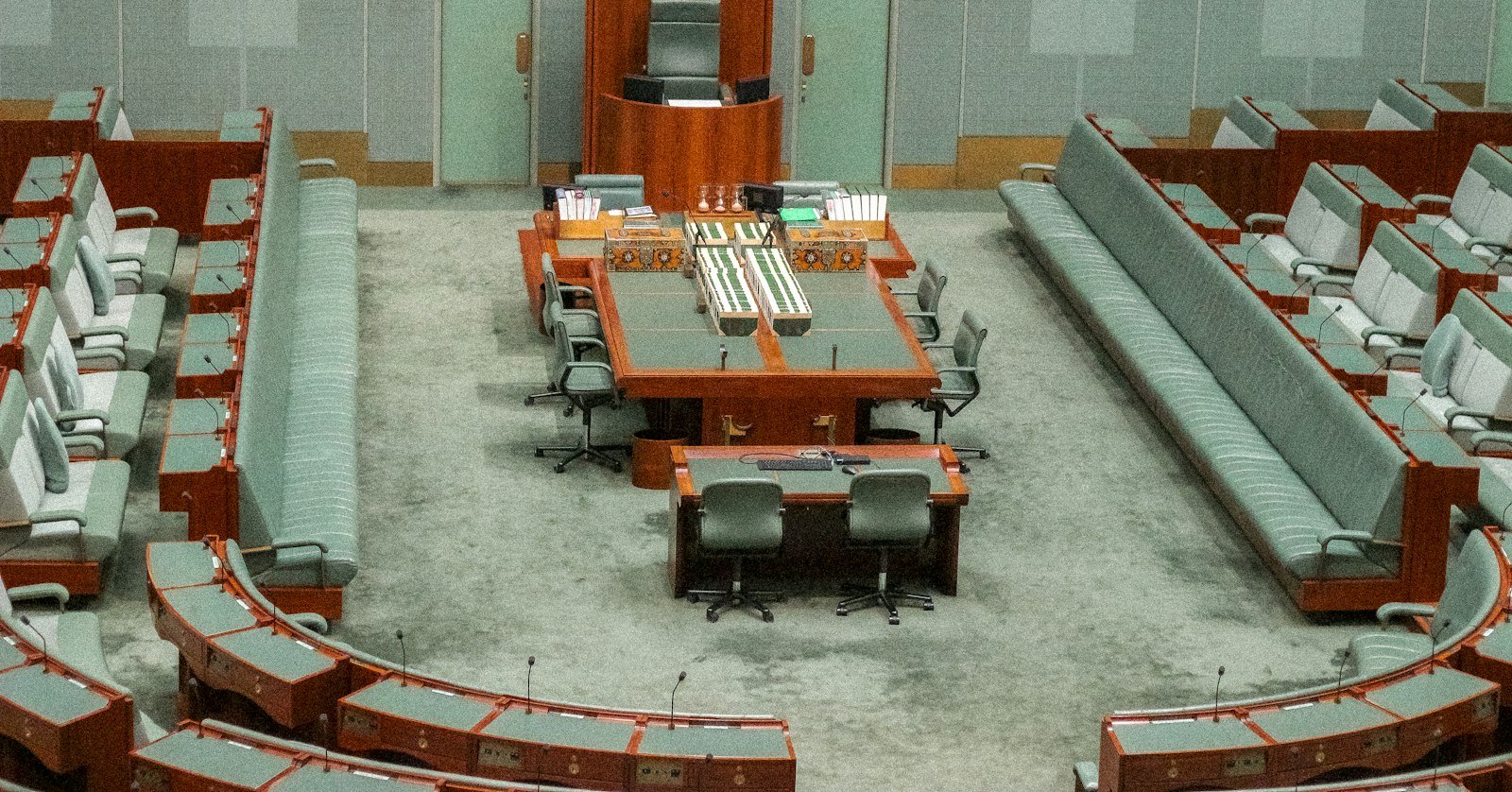
A great deal of local government now happens on camera. Council meetings, planning committees, licensing hearings, school boards, transport authorities — streamed in full, archived publicly, and watched by almost nobody. In England this is partly a legal expectation rather than a courtesy: the Openness of Local Government Bodies Regulations 2014 provide for meetings to be recorded and reported on.
The obstacle has never been access. It is that a planning committee runs for three hours, the item you care about occupies eleven minutes of it, and there is no way to find those eleven minutes short of sitting through the rest. That is exactly the problem summarizing long recordings solves, applied to material with unusually direct consequences.
Why this is close to the best case
| Property | Public meetings |
|---|---|
| Length | Two to four hours — heavily compressible |
| Editing | None at all |
| Structure | An agenda, followed formally |
| Signposting | Items announced aloud by number |
| Content | Almost entirely speech |
| Audio | Mixed — chamber mics are variable |
The third and fourth rows are what make this work well. A chair announcing "item seven, application 24/0431" gives a summary the structural markers most recordings lack entirely, so the output reads as a navigable agenda rather than a wall of topics.
Where the audio lets it down
The one significant weakness, and it is worth knowing where it bites.
Council chambers are large rooms with table microphones of varying age. Officers presenting from a lectern come through clearly. A member speaking from the back of the room, someone who has turned away from the mic, or a member of the public at an open session frequently does not.
That matters because public participation is often the most substantive part. The caption quality sets the ceiling, and in these rooms the ceiling drops exactly where the objections are raised.
Names and addresses suffer too — proper nouns are where automatic captioning fails most, and local place names are precisely the kind it has never encountered.

What people use this for
Following an application. A planning application appears across several meetings over months. Summarizing each one produces a record of how the position moved, which is otherwise scattered across hours of video.
Finding out what happened on a specific item. The straightforward case, and the most common. Read the summary, find item seven, open the timestamp.
Local reporting. Covering a council properly used to mean attending. Reading a month of meetings makes coverage possible at a workload that exists.
Residents' groups and campaigns. Knowing what was actually said, rather than what the minutes recorded, is frequently the difference between an effective objection and a misdirected one.
Keeping across a patch. Several bodies meet monthly. Reading the summaries is a realistic way to notice when something relevant comes up.
Working out which meetings to read
A council area generates more meetings than anyone can follow, so the filter matters as much as the reading.
Start from the agenda, not the video. Agendas are published in advance and list every item. Most meetings will contain nothing relevant to you, and the agenda tells you that in thirty seconds.
Summarize the ones with an item you care about. That is usually a small fraction, and it turns an impossible task into a manageable one.
Watch for deferrals. An item pushed to a later meeting disappears from view unless you are tracking it, and deferral is where contentious applications frequently go quiet before returning.
The habit that works is reading agendas weekly and summarizing selectively, rather than trying to process every recording a council publishes.
Minutes are not a substitute, and neither is this
Worth being precise, because there are three different documents here and they are not interchangeable.
Official minutes are the legal record. They are accurate about decisions and deliberately thin about discussion — they record that an application was approved, not the twenty minutes of argument before the vote.
The recording is what actually happened, in full, and is the authority on what anyone said.
A summary is a paraphrase of an automatic transcript of that recording. It is the fastest way to find the eleven minutes you need and it is not evidence of anything.
So: minutes for what was decided, summary to navigate, recording to establish what was said. Anyone planning to quote a councillor or an officer — in an objection, a complaint, a story, or a campaign leaflet — goes to the recording.
Before you act on it
- Check the decision against the published minutes. They are the formal record and they will be online.
- Open the timestamp for anything you will repeat. Listen to the actual words.
- Confirm who was speaking. Captions carry no speaker labels and a committee has many voices.
- Watch for procedural detail. Whether something was deferred, approved with conditions, or approved outright is a distinction compression can blur.
- Check reference numbers against the agenda pack rather than the transcript, since numbers transcribe badly.
Point four is the one that catches people. "Approved subject to conditions" and "approved" are different outcomes with different consequences, and a summary may not preserve the difference.
What it will not do
Read documents shown on screen. Plans, maps, drawings and slides presented to the committee leave no trace.
Handle poor chamber audio. Which frequently means the public speakers.
Get local names right. Streets, wards and surnames are where automatic captioning fails most.
Record a vote reliably. Counts, abstentions and who voted which way need the recording or the minutes.
The habit that makes this worthwhile
One meeting summarized is mildly interesting. The value is in doing it consistently over months, and that requires keeping the per-meeting cost very low.
What works: read the agenda, summarize only the meetings with a relevant item, keep the summaries in one searchable place with the date and the body in the filename, and add one line of your own about what actually happened to the thing you are tracking.
After a year that archive answers questions nobody else can answer — when a proposal first appeared, how the officer's recommendation changed, which members raised concerns and whether those were addressed. Councils publish minutes, but minutes record decisions rather than the arc of a discussion across six meetings.
That is the difference between following local government and occasionally reacting to it, and the tooling only matters because it makes the habit cheap enough to sustain.
Frequently asked questions
Do council meetings summarize well?
Unusually well. They are long, unedited, almost entirely speech, and follow an agenda announced aloud — which gives the summary structural markers most recordings lack. Chamber audio is the weak point.
Can I use a summary in an objection or a complaint?
Use it to find the passage, then quote from the recording. A summary is a paraphrase of an automatic transcript and is not evidence of what anyone said.
How does this compare to the official minutes?
Minutes are the legal record of what was decided and are deliberately thin on discussion. A summary covers the discussion and decides nothing. Use minutes for outcomes and the summary to navigate the debate.
Will it capture the public speakers?
Often poorly. Members of the public speak from further off-mic than officers do, so caption quality drops exactly where objections get raised. Those passages usually need listening to directly.
Find the eleven minutes that affect you
Three hours of committee becomes an agenda you can read and click into.
Summarize a meeting — free